The Truth of Neil The Seal
The one-tonne softy is here to teach us about context.

Hi,
A quick PSA to begin.
Last month I sent out “The State of Webworm” about, well, the state of Webworm.
Since April I’d noticed a trend of people leaving Webworm, and wanted to communicate that to you. You invest in this place and my work (some for you for the last six years!), and I like to keep you across how things are going. Well, a bunch of you were super wonderful and logged into your account at www.webworm.co and made sure your details were up to date – and it has helped!
Some you discovered you'd accidentally stopped paying and had been downgraded to a free account. Some of you even upgraded to a gold plan! Thank you. This all helps so, so much.
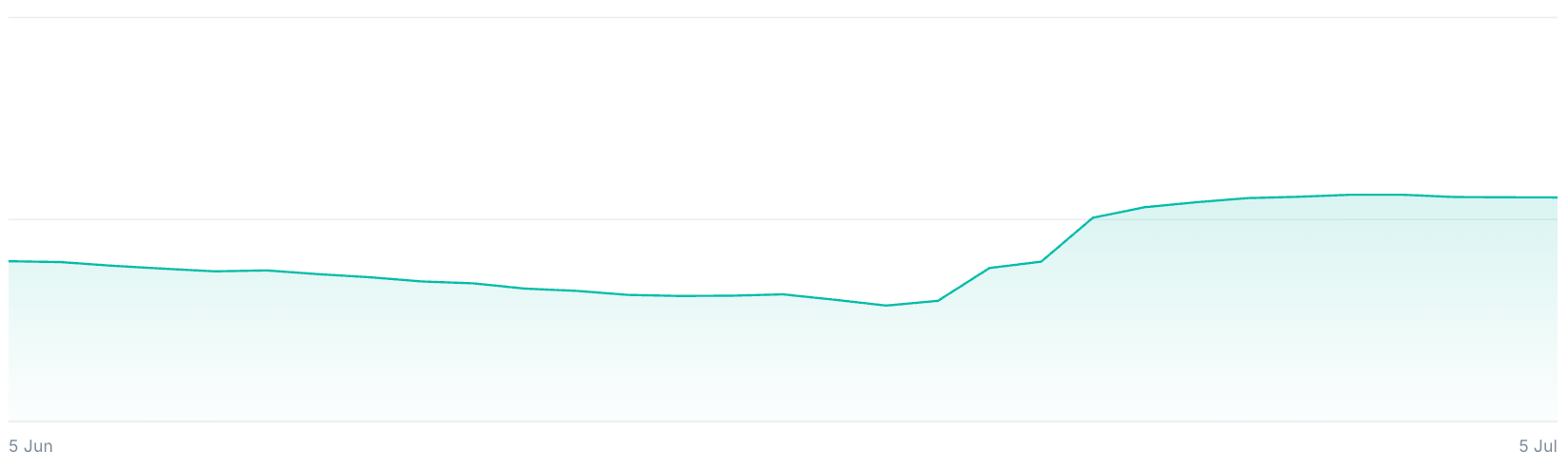
Membership is back to healthy levels. THANK YOU.
As I noted in the comments section of my last piece, I am back in the United States.
In truly surreal fashion, Everlee and her mum were messaging me as I went through customs at LAX, the place Everlee had been snatched by ICE. There was a nervous moment where the customs agent’s eyes kept moving between my US visa and his computer screen… my US visa and his computer screen… before I was finally told “Okay”.
The relief was palpable.
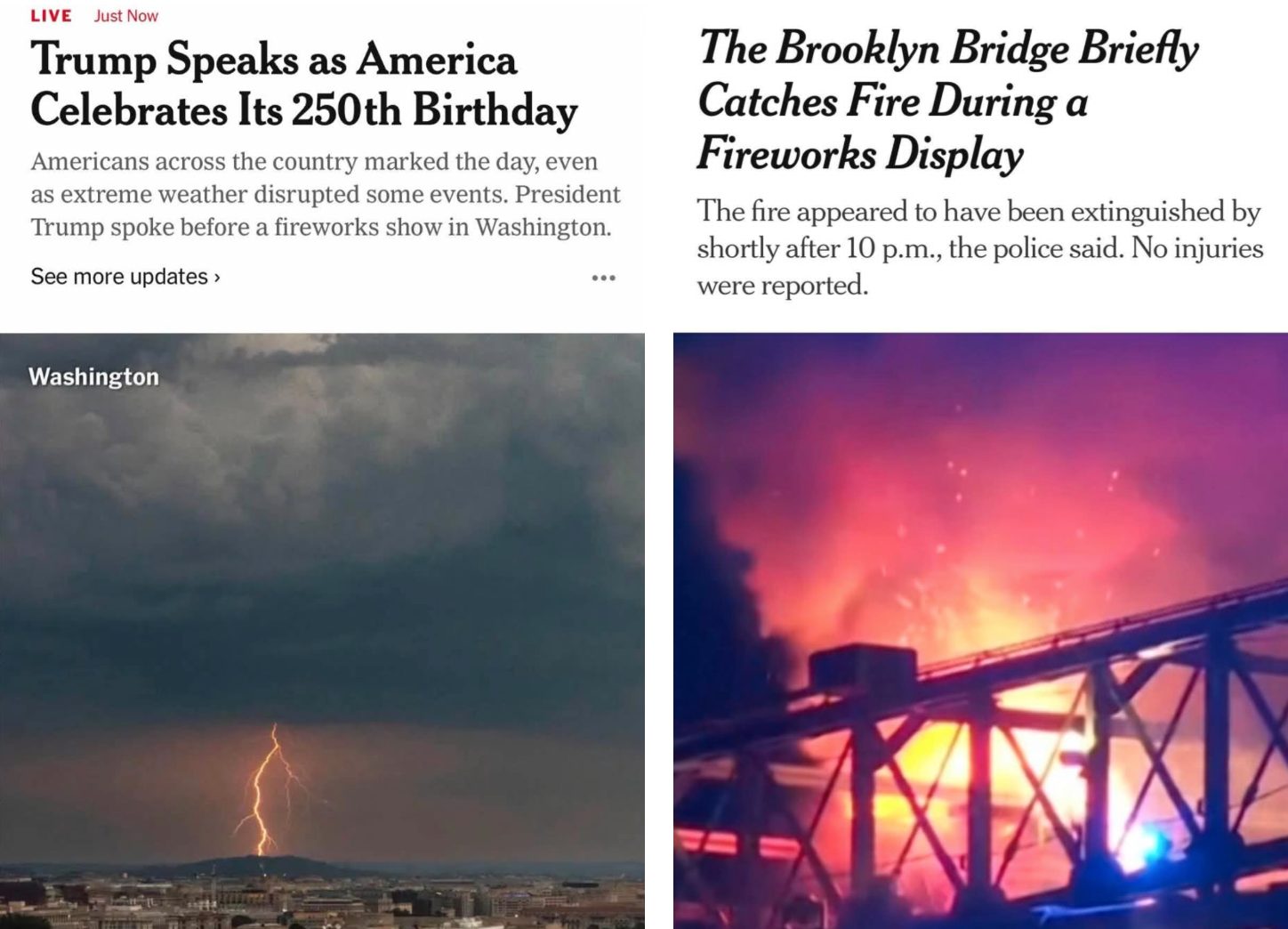
Last night was July 4: America’s 250th birthday. The United States doesn’t feel like a place to celebrate right now, so I kept it pretty low key. Some friends watched Titanic in their backyard, and amusing headlines flew in. I thought it was appropriate that a headline reading “Trump Speaks” was accompanied by a giant apocalyptic storm cloud and a bolt of lightning.
And somewhere in all of this, I got to thinking about Neil the Seal.
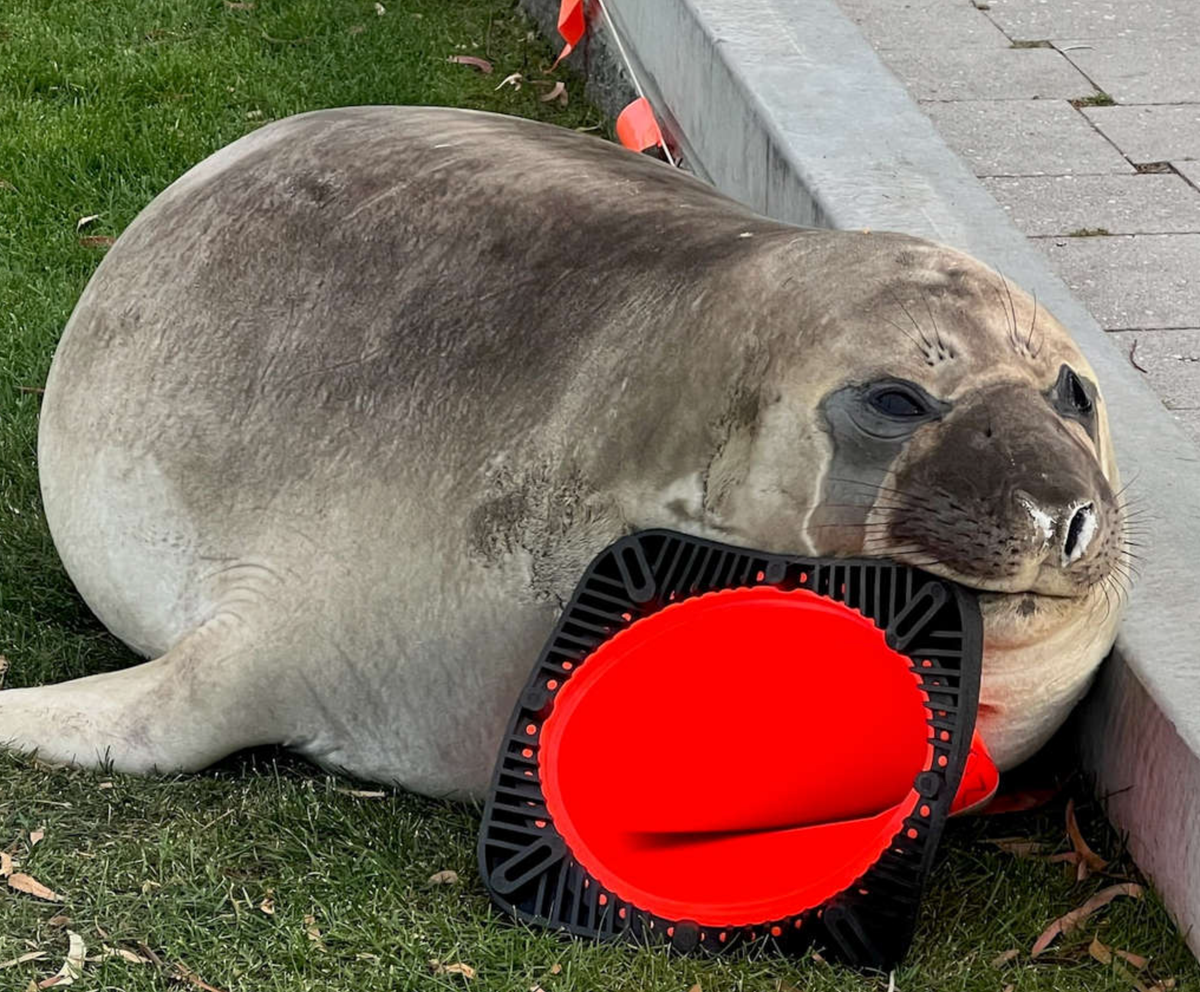
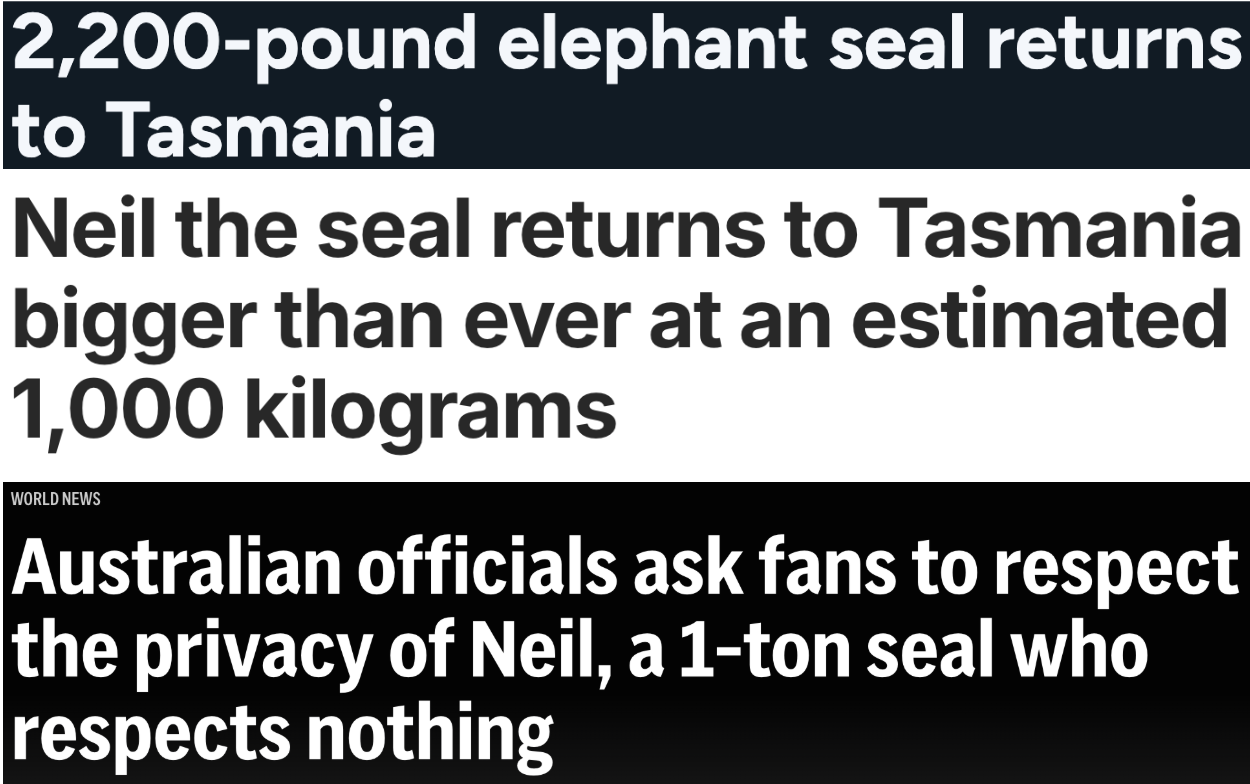
If you’ve somehow missed the latest viral animal phenomenon (Punch feels like a year ago; Moo Deng at least a decade), a large elephant seal called “Neil” is wreaking havoc in southern Tasmania.
Neil is perfect internet fodder: A strange but cute brute that looks good on camera, and who happens to emerge from the waters once a year to destroy as many man-made objects as possible. And while technically a danger to humans, he moves so slowly (or sleeps) that people feel empowered to get close enough to film.
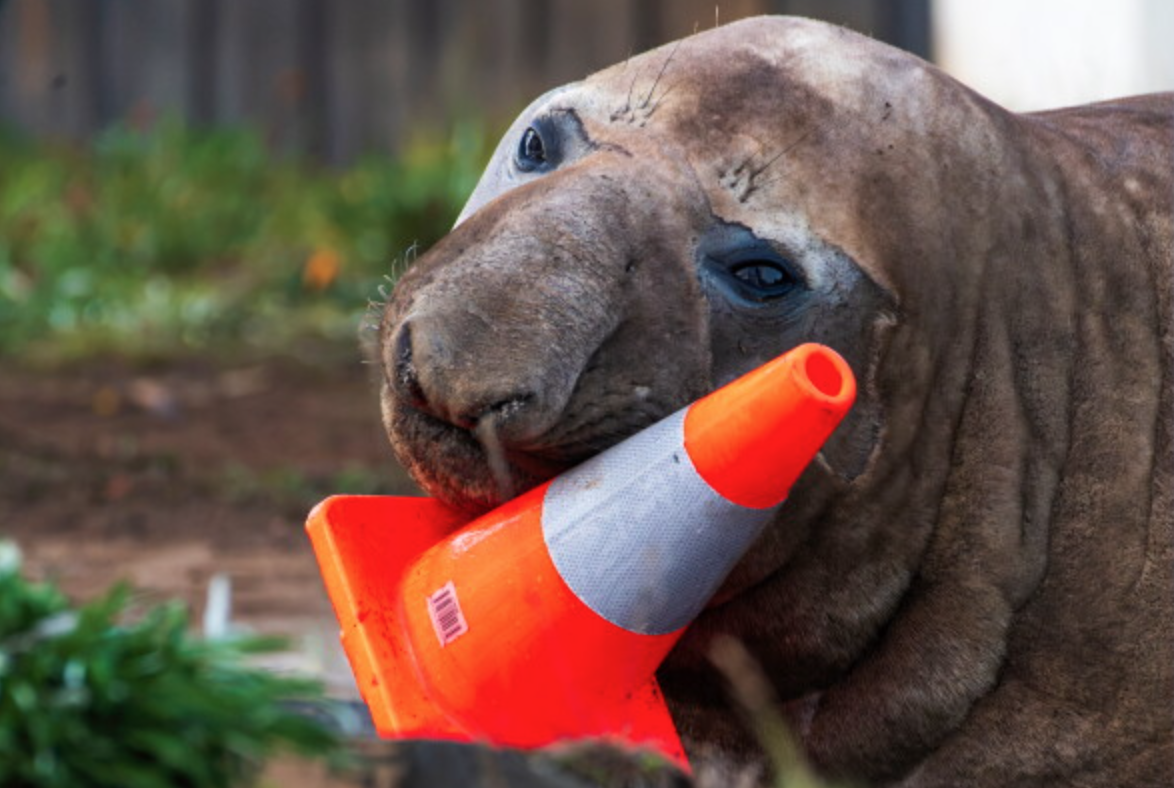
Born in 2020, the endangered southern elephant seal got famous as a two year-old, after coming to ground in Tasmania.
The Department of Natural Resources and Environment carefully placed road cones around him, to keep the public away. He promptly destroyed them. Someone snapped a photo and nicknamed him Neil. More locals arrived, and the legend grew. So did Neil: Currently weighing just over a tonne, his kind can reach quadruple that.
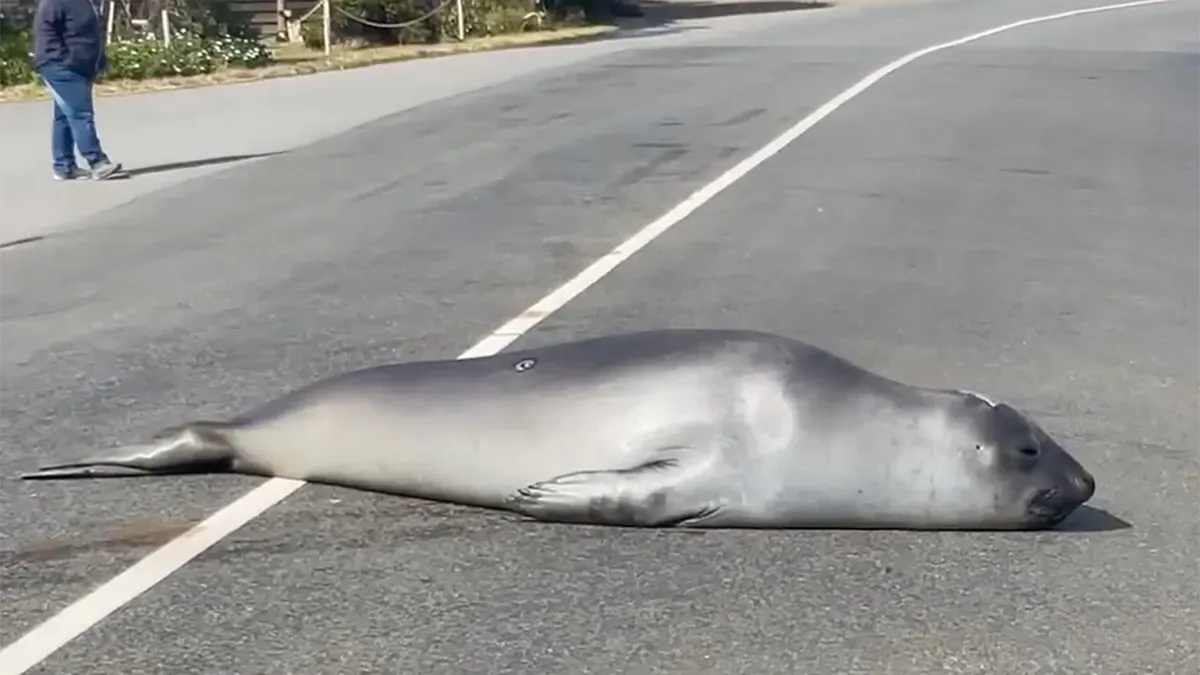
This is Neil’s 12th trip — elephant seals returning several times a year to the place they were born.
This year his fame has reached critical mass. His specific location has gone very public, and tourists are flooding in. Reels of Neil are getting hundreds of millions of views on social media, and the world’s press are beginning to cover him with the same unhinged enthusiasm they showed Punch and Moo Deng. A storyline is beginning to emerge covering his weight, latest location, and proximity to humans and cars.
While humans secretly love to click on horrific headlines as much as they love craning their necks to leer at a car crash – they also need escapism. And funny animal videos will always be it.
But what caught my attention today was the context.
I’ve been laughing along at Neil as he fights with nearly anything vertical in front of him. Fence posts are destroyed, and cars are on the menu. Neil throws his one-tonne weight against anything he wants, and Neil usually wins.
But the “why” of all this is kind of bleak: Neil is fucking lonely.
He’s the only seal in the village, because all the other elephant seals are thousands of kilometres south on islands like Macquarie. “Neil was born in Tasmania, near Hobart, and he thinks that’s where home is because he doesn’t know where Macquarie Island is. And he doesn’t have a map,” an elephant seal expert told The Guardian.
Why he was born so far from home is a bit of a mystery – and now he’s stuck there.
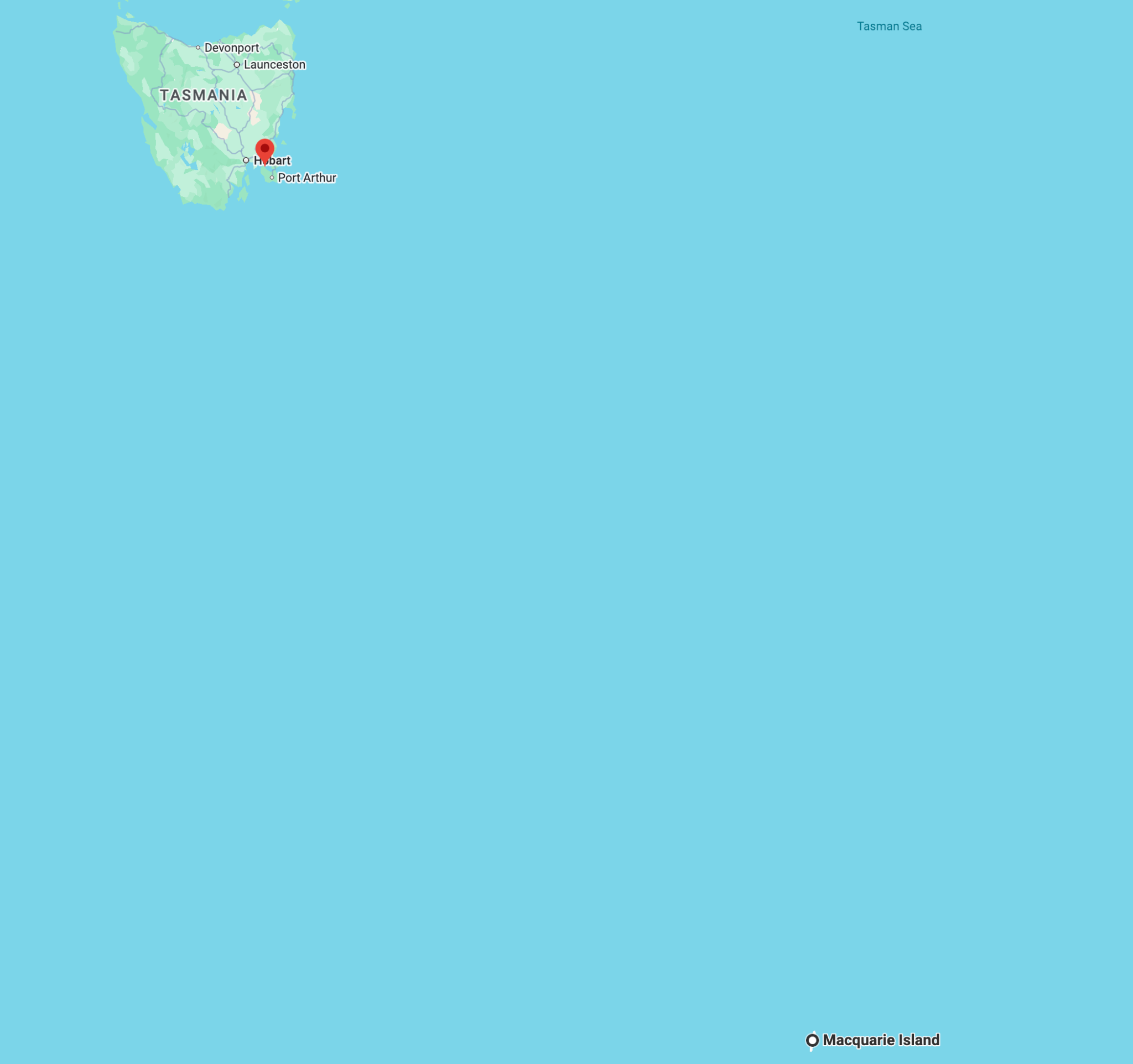
His hilarious antics of crashing into posts, fences and cars become less cute when you realise he’d usually be playing and sparring with other elephant seals. The big dude just wants to feel the pressure of leaning against another 1-tonne creature, squished together and stimming with his own kind.
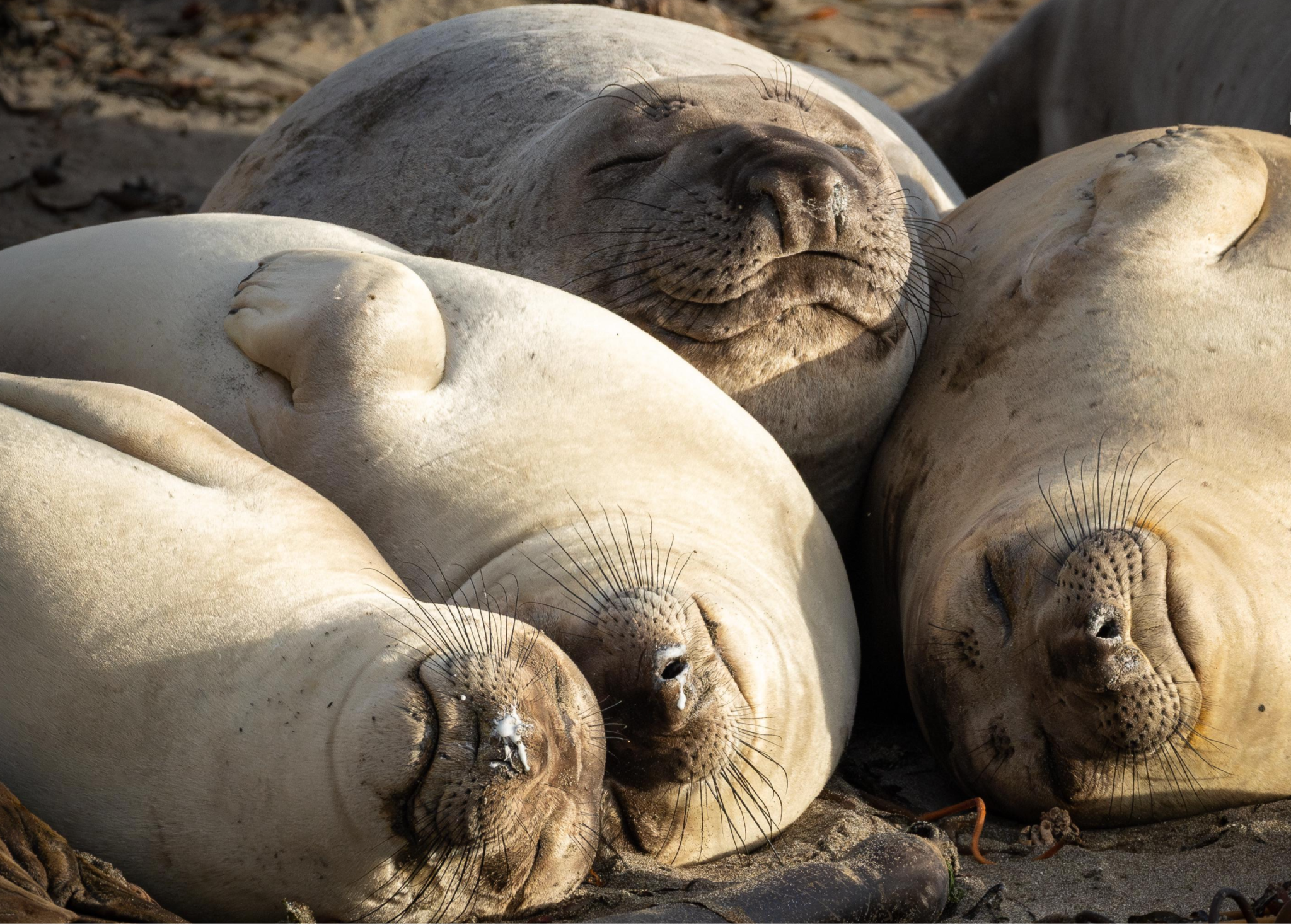
Instead of that, Neil has road cones.
And with a growing crowd of humans around him – currently keeping a respectful distance – is the risk that someone does something stupid, gets too close, and Neil has to defend himself. Like the constant examples of bears in the United States, the word “euthanasia” has started to be flung about.
I didn’t mean to bring you down – and so far, I guess Neil is happy enough. But it got me thinking about how important context is to our understanding of the world around us. Context that is increasingly being lost, especially in this age of AI summaries lording over your latest Google query.
When talking about the importance of context, the kids-shitting-in-kitty-litter trays myth comes to mind (part 1, and part 2): Parents panicking their kids are identifying as cats, when the context shows it’s essentially nothing more than a meme from the anti-trans movement.
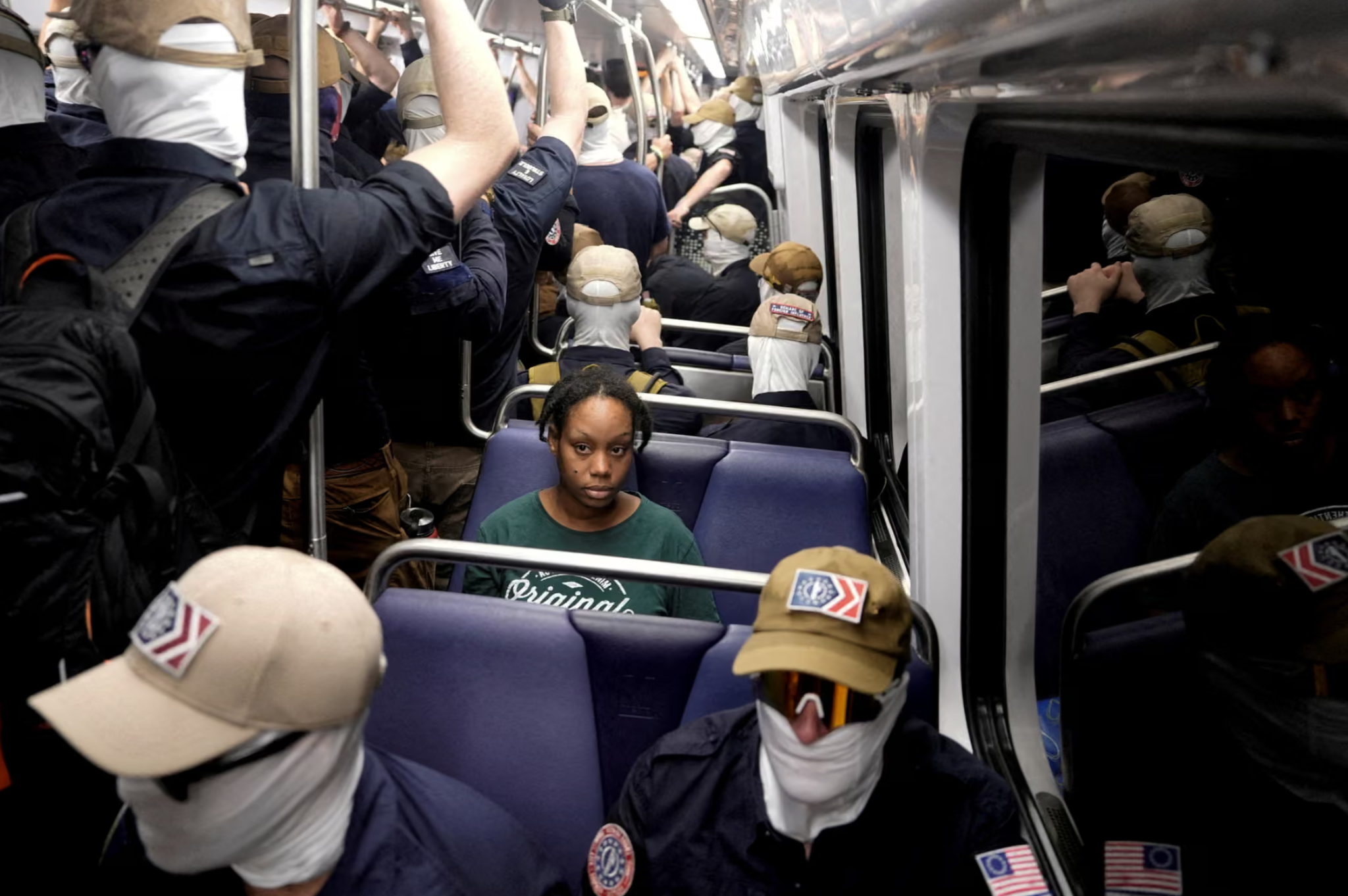
And so I’m trying to get better at stepping back to try and understand the bigger picture of why Donald Trump is still in power, and why on July 4, 2026 we have a single black woman surrounded by Nazis on a DC bus. To understand why more and more people are living unhoused in places like New Zealand, and why every government in Aotearoa refuses to tackle child poverty.
Webworm always tries to keep a larger context in sight – this essay on understanding how Evangelicalism is not just a religion, but a parallel culture comes to mind.
I’d like to do a bit more of that this year – the bigger context – as well as the hyper-focussed, obsessive pieces that often live on Webworm (that also come, I hope, with some context).
Okay, let’s all go back and return to watching Neil the Seal videos – trying to block out the fact we’re watching an incredibly lonely elephant seal spiral into madness.
David.
PS: I was in Tasmania just a few weeks ago, and missed Neil beaching himself. So here are a few other photos of some Tasmanian wildlife. Enjoy: