Life After ICE
I visit a freed Everlee Wihongi, to talk life after her ICE kidnapping.

Hi,
There's a thing that happens in the news cycle that when a horrific story is over, the subject often drops off the radar – and we never hear from them again.
I didn't want that to be the case with Everlee Wihongi, the Kiwi kidnapped and imprisoned by ICE for 73 days.
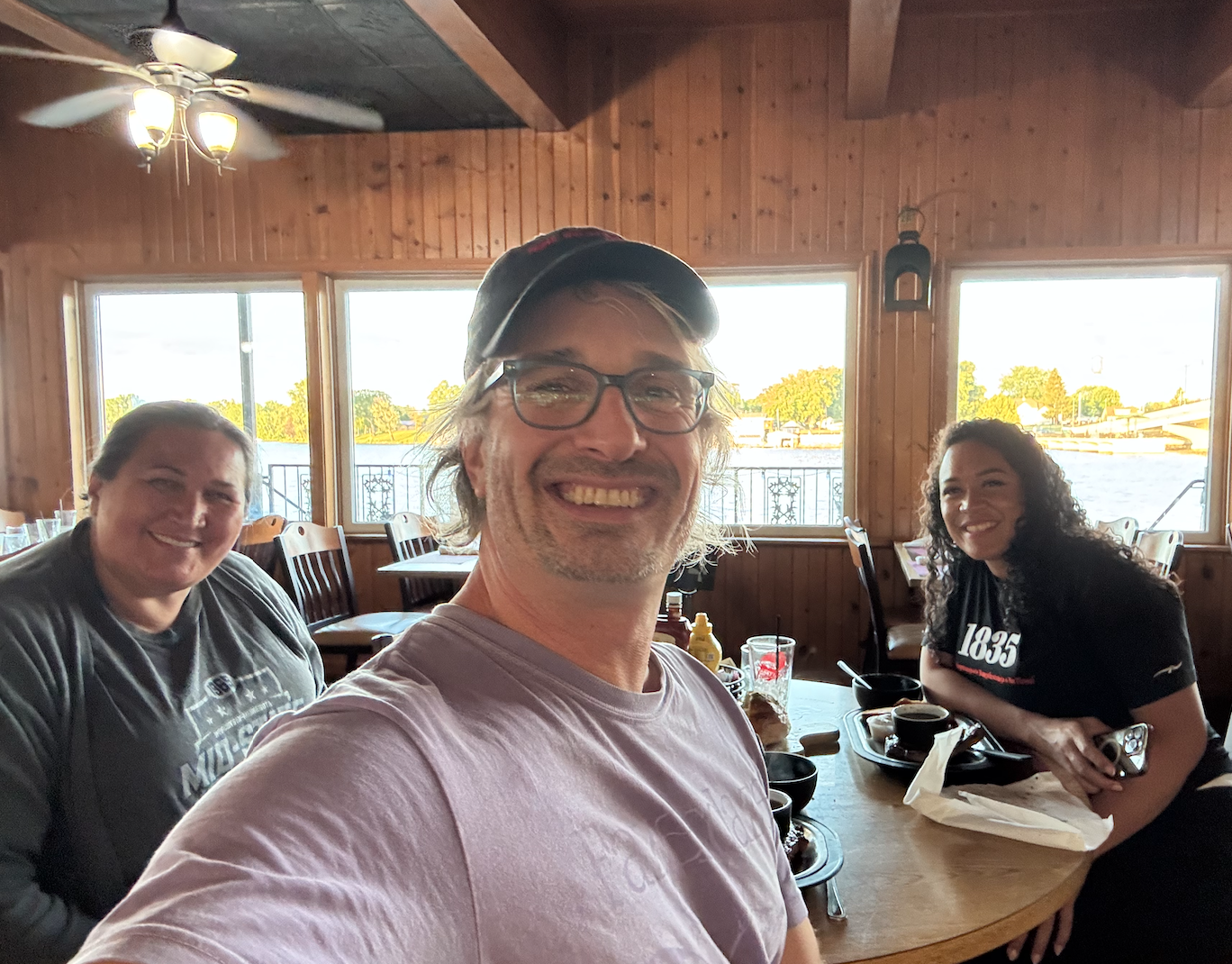
So a few weeks ago, I made my way to Wisconsin to meet up with Everlee and her mother Betty, to check in. Throughout my reporting this year, I found Everlee to be incredibly strong, smart, and incredibly funny. Same thing with her mother.
In person, they were that – and then some.
I had so many questions: I wanted to know the details of the day she was released, and what it was like being dumped back into a life that had been put on hold for two and a half months. I had questions about Everlee's cellmates, and how she made it through.
With all that in mind, I've turned my day with Everlee into a 40 minute audio documentary, which you can listen to here:
For those who prefer to read, I've also adapted that audio into a written piece below. If you can listen, do: In reading, you perhaps miss some of the nuance of how Everlee and Betty phrase things. But I wanted it to be as accessible as possible.
A Quick Note On Webworm
All my public interest journalism, like this piece, is powered by my paying readers. They let me purchase a flight to Wisconsin, hire a car, pay for petrol, and pay my audio editor in New Zealand.
To clarify how Webworm works, I wanted to share an email I got from a reader, and my reply. They were a bit annoyed that my last article (in which I released all my funding information) was behind a paywall:
To: davidfarrier@protonmail.com
From: V
Date: August 2
David, something I do not like is how you provide all your followers, paying and non-paying, with a taunting morsel of a story then you shut the door and will re-open it for the final chapter only if the follower pays. I am a pensioner so am not in a position to always pay for the closing chapters of your stories.
In fact, so disenchanted am I with capitalism that I am a strong advocate of a Resource Based Economy… renowned American social engineer, Jacque Fresco, conceived of this brilliant moneyless system where, with the advent of AI, there will no longer be the need for money. You may wish to read all about him and his great vision. He came to New Zealand some years ago and laid out his vision in a presentation. The brilliance of this genius was inspiring... any question put to him during the Q & A section was satisfied and silenced with utter wisdom.
So, as you may have guessed by now, I consider information should be a free commodity available to humanity at large… charging for it is, in my respectful view, petty.
I replied with this:
Thanks for writing, and reading my stuff.
Generally, I'd say about 60% of my stuff (all my public interest journalism: My Everlee coverage, ICE, megachurches, bad people doing bad things etc) goes out for free, with zero ads (Webworm will never run ads).
Sometimes, I will send examples of paywalled stuff to those in the free list, which is I think what has got your goat here.
I get it, but to be frank: I need people to realise there is more in the paid Webworm, and my hope is that people will hopefully come on board - and I can continue to afford to pay writers and lawyers, be able to travel to cover stories on the ground etc, and keep doing my thing.
In the FAQ (webworm.co/about) - and I have said this many times in free newsletters over the years - I have a 50% off deal, but am happy to comp people if they can't afford it: those on a sickness benefit, students, beneficiaries etc.
Which I have just done for you. I never want anyone stretched beyond their means, ever.
Anyway, if you login at www.webworm.co with your email, you will be able to access everything. And make any updates to your account, too - change email addresses, turn Webworm emails on and off etc.
I hope this explains things a little.
All my public interest journalism, like this piece, is powered by my paying readers. Webworm is 100% ad-free.
I'm going to be in Toronto next week, and will do doing a Webworm meetup for subscribers. If you're interested in attending, email me: davidfarrier@protonmail.com.
And save the date for these upcoming Webworm events:
New York: Friday November 6 & Sunday November 8
Auckland, NZ: Saturday December 12
Webworm Visits Wisconsin
by David Farrier
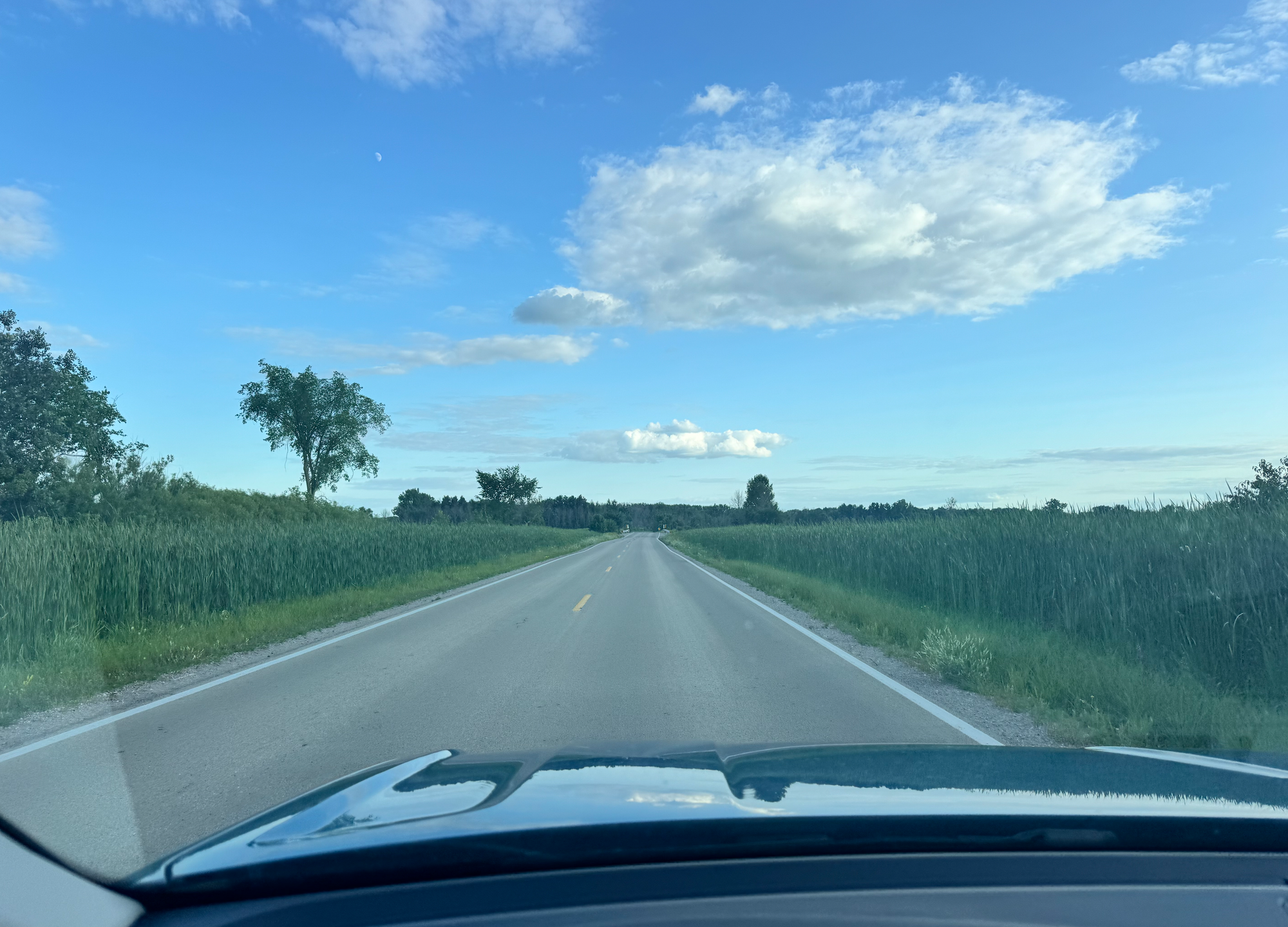
Getting to see Everlee in person involved a three hour flight from Los Angeles to Dallas, then another two hours from Dallas to Madison. Then it’s a two hour drive northeast, up to a small town where her mum lives, which is where Everlee Wihongi is currently staying.
I drive past cornfield after cornfield – there’s a lot of corn in this part of Wisconsin – before pulling into a little subdivision, a typical little American slice of life.
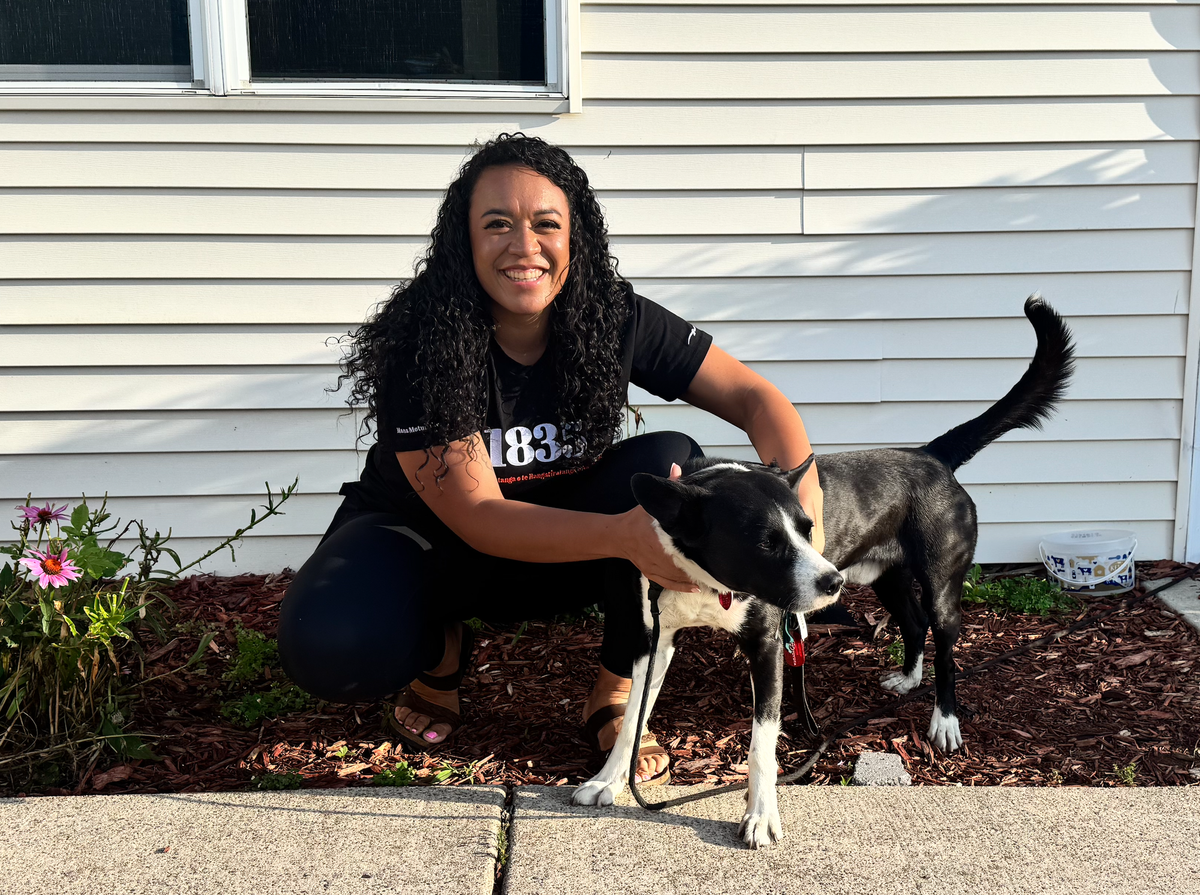
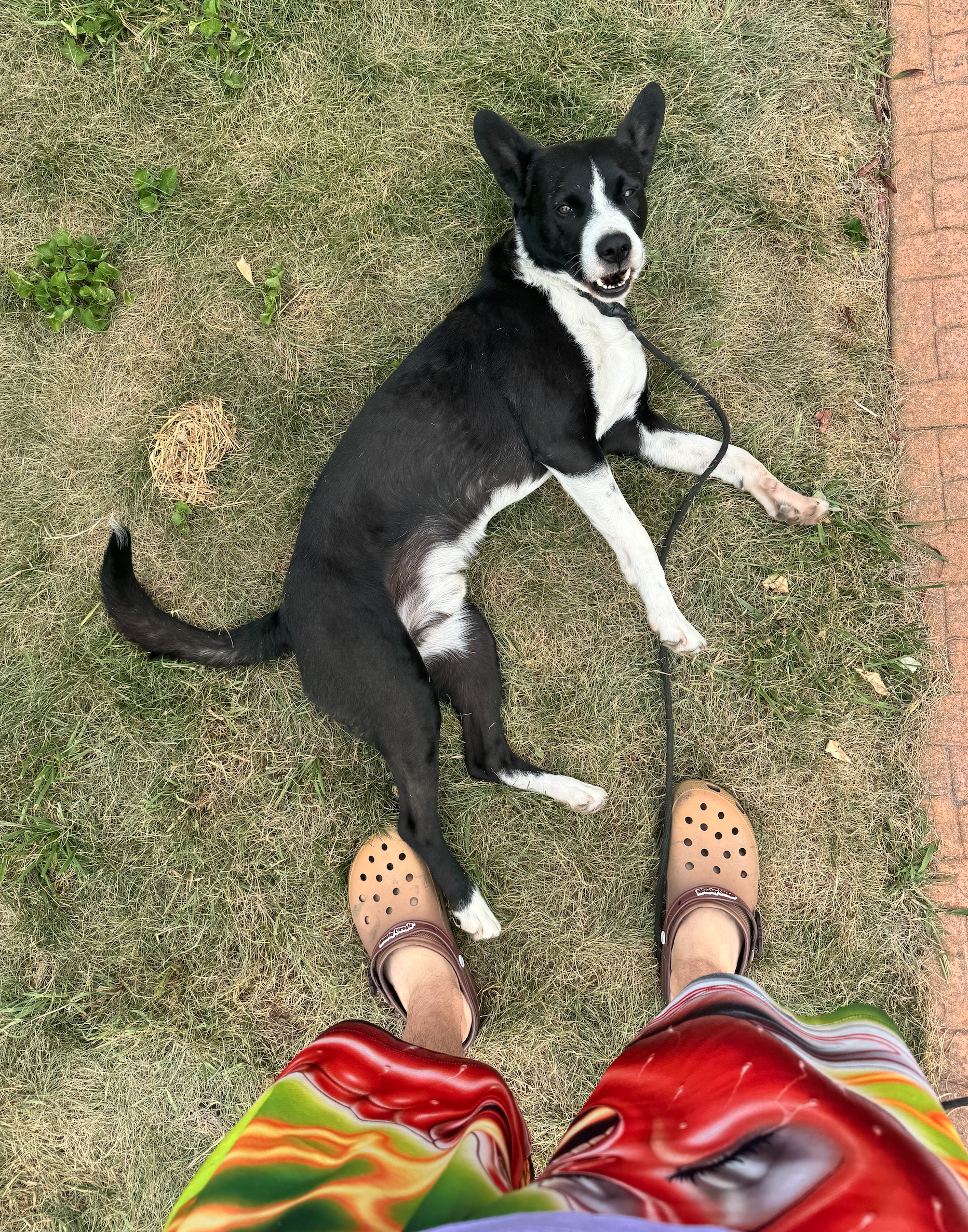
I park up, and an incredibly mellow black and white dog comes out to greet me, tail wagging. Everlee's dog, Dartangan.
It’s kind of strange, meeting this person I know so much about, but have never actually seen in person. The first thing that strikes me about Everlee is that she looks so happy: Dressed in a black tee, she’s beaming.
She passes on apologies from her dad, who just went to work. As I’d been travelling, they’d all been celebrating her nephew’s 1st birthday with the family. “A huge one-year-old, massive, typical Polynesian baby,” she laughs.
I’m mainly struck by how normal everything seems – talking about kids and dogs.
But her year has been anything but normal. Over 70 days locked up in various ICE prisons, before being suddenly spat back out into the life she was living before. Well, sort of the life she was living before.
A lot can change in three months.
The day I visit, Everlee’s been free for about six weeks. I ask her to take me through the day she got released from prison.
They woke me up at 1.30 in the morning. The guard comes and she knocks, and unlocked my door and she goes, “You're leaving”. And so I immediately shot out of the bed and I rolled up my sheets, got all packed up. I had written notes already because I knew I'd be getting out soon. And so I was running through the hallways, sliding them under people's doors. The guard came back, and I was sitting downstairs, and she goes, “What are you doing out?” And I go, “You said I was leaving!” And she goes, “You're not leaving till 3.30!” And I look at the clock and it's only 1.30.
And so I just had to sit there and tool around. They made me sit in my room. I'd given heaps of my stuff away. But at 3.30, they opened the doors to let me out, and we went down to this place called South intake. When we got in there, they took all of our things. There were two guards there: A girl and a boy. And they [had] pretty short fuses. And so when we go in there they're yelling at us, “Put your stuff down, go get changed!”
The guards were quite horrible to us. I had my backpack that got brought in from the airport, plus I had all the property I had accumulated: Books, papers, notebooks and stuff. So I had two boxes there, and he goes, “You're going to have to fit everything into this paper bag”. And then I started getting angry and I started swearing at him. I just said, “I didn't pick to come here from the airport. This is all my stuff, I'm not leaving anything here!”
I could understand why she was frustrated. Think of the one carry-on bag you take on a plane: It’s full of your most important things. There’s a reason you didn’t check it in.
Then all the stuff from her life for the last 73 days: Letters from prison mates, stories she had scrawled down, memories she needed to process once she was out. You can’t just let go of that.
Standing up for herself worked out: She got to keep her things – not just a paper bag’s worth.
Then she turned her attention to others in the room.
There was this lady that had cancer, who had been waiting to be transported. She was dressed in orange. And every time [the guards] would go out, the door would slam. And they kept doing it to her, and just looking past her, and so I said, “Stop slamming the door on that sick lady's face.”
And she says, “I didn't see her.” I was like, “You didn't see her in the bright orange with the walker, in front of the white wall? That's probably really horrible for her.”
By now it was 12.30pm, and all the prisoners began to be placed in shackles and loaded onto the bus. She was used to being moved around by this point – court dates missed because ICE would just randomly shunt her to another facility.
But right from the start, this trip felt more hopeful.
There was the bus driver. He was so cool. He was talking in Spanish. I was just standing there and I go, “Oh my God, I don't speak Spanish. I'm sorry.” And he goes, “You’re the only person in this whole facility that doesn't speak Spanish!” But then he goes, “Where are you from?” And I go, “New Zealand.” He goes, “Oh, you're a Māori. That's so cool. You're the first one I've ever met!” – and he came and shook my hand.
They’re putting on the belly belt and the shackles, and I'm just grumbling: “I don't want to wear the leg shackles. I hate wearing them.” And [the bus driver] just looks and he goes, “Dang, it looks like you need big boy ones for your big boy ankles! And I don't have any!” And I go, “Must be I don't need them then.” And he goes, “I don't have any, so you can't wear them!”
So I didn't have to have my legs shackled. He was so cool.
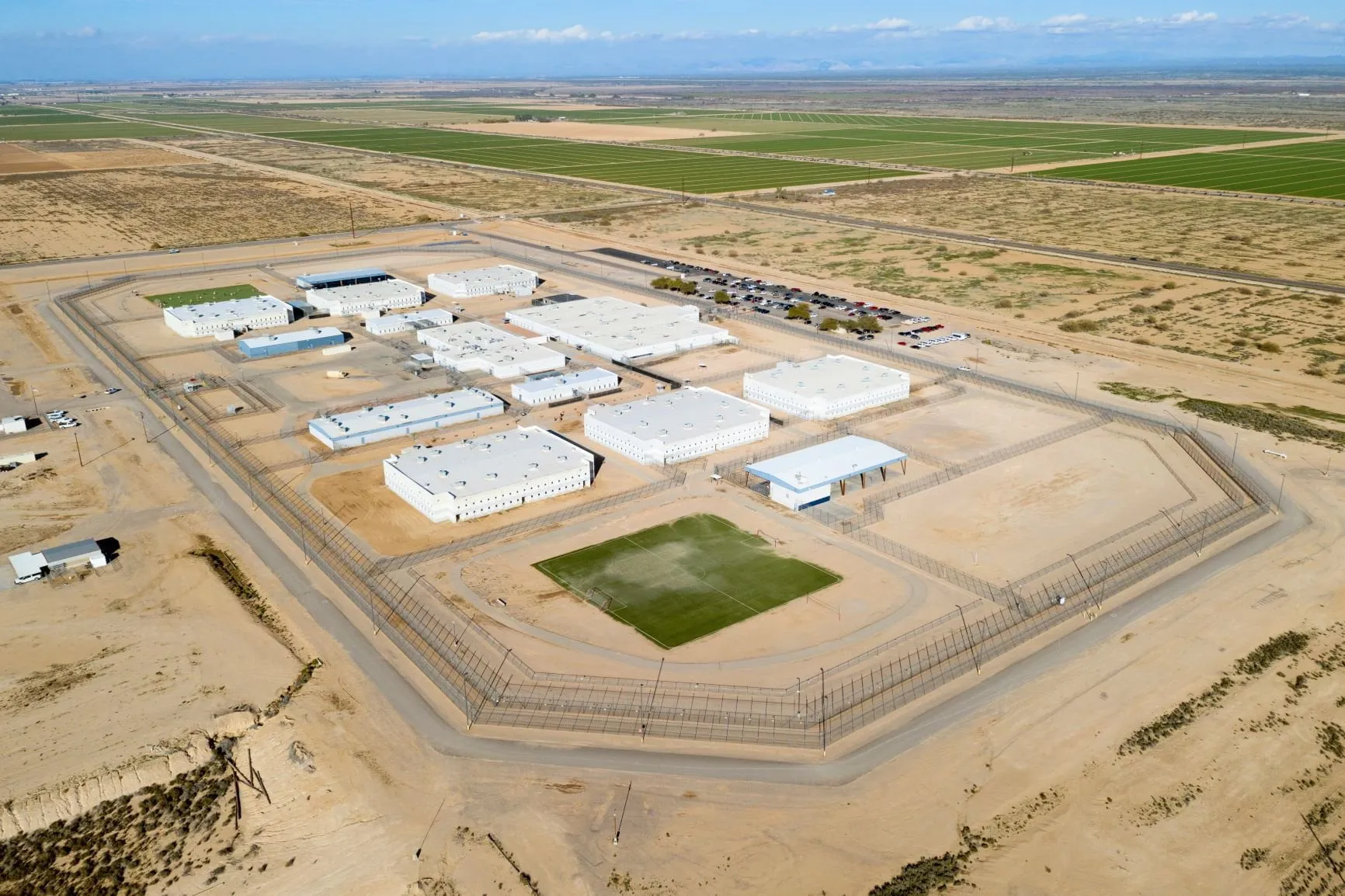
The bus set off from the Eloy Detention Centre, briefly stopping at another ICE facility in Florence – a place known for charming things like regular measles outbreaks. Then it was a few hours north to the city of Phoenix. She tells me most people on the bus were sleeping, after what had been a very long night.
They were woken up again as the bus pulled into a Department of Homeland Security facility.
That's when people panicked and they thought that we were just getting dropped off there and transported to a different facility. But the bus driver said, “No, everybody can relax. You're all going home today.”
Imagine hearing those words: You're all going home today.
From there, it was the final leg to the Visitor Centre. I ask – after all the ups and downs of the last three months, coming close to freedom so many times before being thwarted – when she knew this was actually it. That her ordeal was over.
It was when we were actually getting off the bus. And everybody in the bus was like, “I can't believe it.” And then we're all hugging each other, even hugging the guards.
A local church group was there waiting with boxes of food, drinks and clothing. This wasn’t some state funded group or official part of the ICE process – they were just volunteers, mutual aid at its finest.
I called my mum right away, she was the first one. And then I called the family group chat. They thought that my grandmother was calling everybody by accident again! And so they all kind of slowly hopped on there. I was just, “Hi.”
Then we have a cousins’ group chat from our holiday. I saw my aunt posted your [Webworm] thing. “Everlee has been released.” And so they had put that in the group chat. And so then the cousins started trying to call, and it was wicked. It was really cool.
She made her way from the visitors centre in Phoenix, to an Airbnb her parents had booked. She couldn’t check into a hotel, because she’d discovered ICE had kept her passport and ID.
When I got to the Airbnb, my cousin called because she was like, “Are you alright?” And I go, “Ah, a bit weird being alone, eh?” And so she talked to me for hours. Then she called her sister, and so it was probably six of us FaceTiming all at the same time, just till my parents got there.
It had been 73 days since Everlee had last seen her mum and dad.
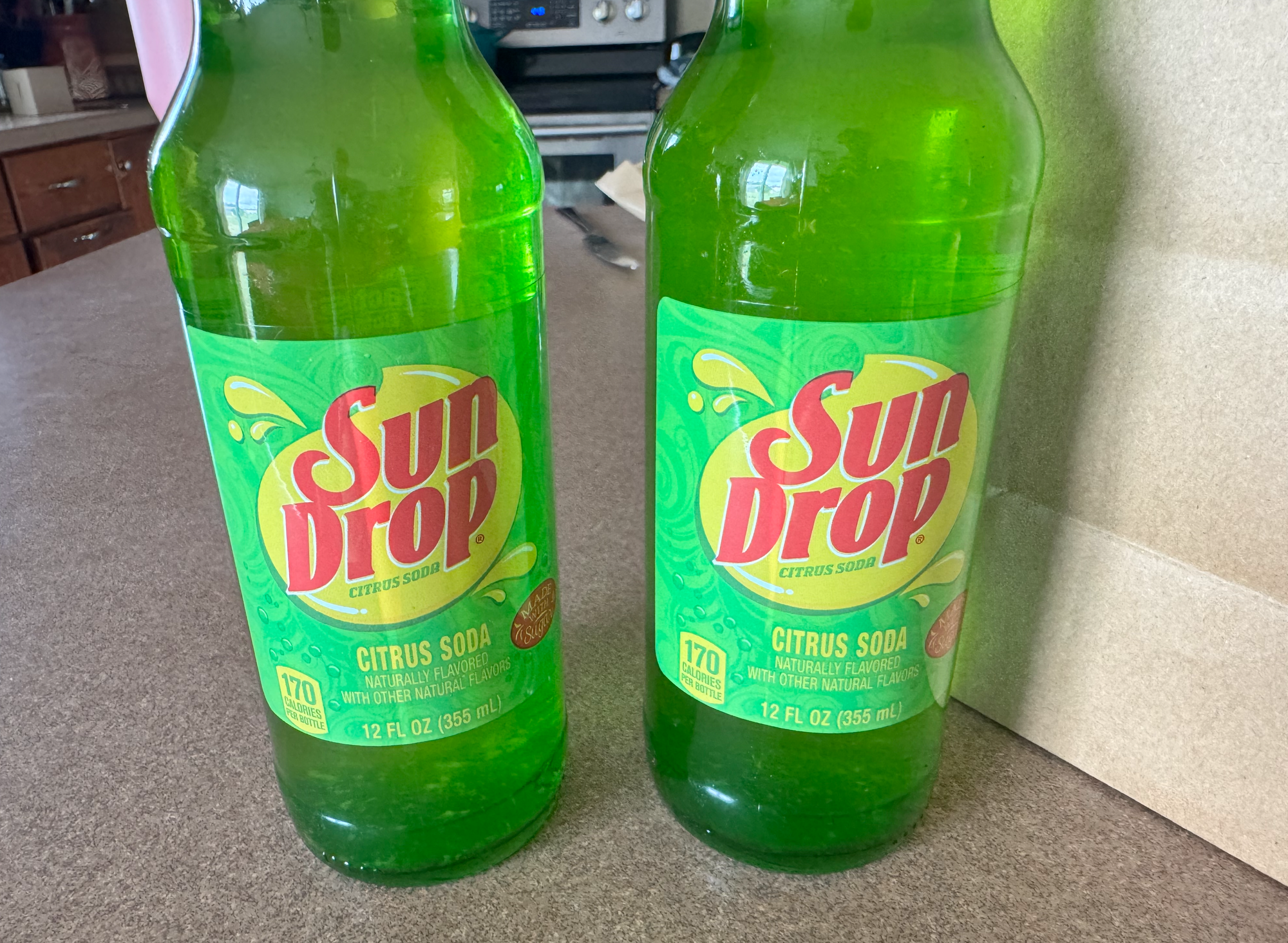
At this point, I hear a car pull in. Betty is back from work. It’s the first time I’ve met her mum in person, too – and she’s got a grin as big as her daughters. She hands me two bottles of "Sun Drop" – a drink she swears by – before telling me what Everlee's release day was like for her.
We had rented an Airbnb for Everlee to wait at, because she didn't have any ID – so she couldn't go in a hotel. And Gordon and I scrambled and we found an AirBnB and we got it, gave her the address, she got an Uber there. And then I just said, “Wait there and go shower, swim. Wait for us. We'll be there later on, and your brothers will be there too."
So we walk in and she's there. Her two brothers and my daughter-in-law were there waiting. I went to hug Everlee and one of them had picked up her phone and I just looked at them like, “No!”
There were a lot of hugs, and I understand the temptation to take some photos.
I think I just kind of gave them the look like: “No photos right now.” Yeah. "Someone will die tonight if that happens!"
Everlee chips in.
My dad's not a hugger. Before this, he had given me two hugs in my whole life. And he gave me one right when he got there - and then when it was going, he gave me another hug. And I'm like, “Dad, you've doubled the amount of hugs I've ever gotten in my life!” He's like, “Ah, get lost!”
She says that first night out, while amazing, was also incredibly difficult.
It was so weird. There was a huge bed. I had a king-size bed, but I stayed in [the corner] like the same size as the cot. I didn't expand from there. It wasn't a good sleep. I kept hearing the keychains, you know, keychains jingling – so I would just open my eyes and then realize I wasn't in there. And then when I would fall asleep, I'd hear, “Cuenta!” and so I'd just go to stand up.
“Cuenta” is count, but as most people spoke Spanish, that's what they'd say. They'd just say “cuenta”, and then you'd have to stand up by your door. And then they would walk past the door, you know, look at the slip, make sure it matched up with your badge and your face, and then you could go back to bed. And so the first couple of days, I just kept hearing that and the keychains.
I have these little bouts when I'm by myself. Just bouts of despair. The therapist said it's like survivor's guilt. I feel happy that I'm out, but I feel sad for my mates that I just stuck in there like Lucy. She's stuck in there indefinitely and she had been there for 12 months, so she's been there for 14 months now. And she's not going to get to see an immigration judge.
Lucy was from Bulgaria, and was one of her best mates inside. She feels like she’s left her friend behind. She can’t stop thinking about her.
Her husband died two months before she got taken by ICE. They were superintendents of an apartment complex, and so her address was there because she was taking care of it. Her husband died, so there was nobody to look after the apartment. She has no address, she has no documents. She's got no family to help her at all, no way to see a judge, no lawyer, nothing. No help. I don't know what's going to happen to her.
There are others, too. She got some of them to write their stories down – Everlee has them in a notebook. Again, that’s why she fought so hard to keep all her stuff. She carries all these stories with her, on repeat, in her brain.
Just innocent people. [Another] girl in the wrong place at the wrong time: She came from Nicaragua, and she's been stuck for nine months now. No way out. And she's not a criminal, she was a medical assistant.
Mainly, Everlee realises that as bad as she had it, she had a family in the US battling for her every day. So many of her new friends didn’t have that. And so they remain in prison, no end in sight.
And Everlee, well, she’s just landed back in the life she had before. She emerged as a different person. And she’s emerged into different circumstances.
My job let me go because I was stuck in there. You know, well, I don't want to say bad things about them. They looked after my job for a bit.
She’d had a really good job as a welder – that’s gone now. She doesn’t want to sleep alone, so she’d moved back to her parents place while she tries to readjust.
In all of this, she’s still so upbeat. I have no doubt she’s putting on a brave face for me – a stranger in her house – but I have no doubt her glass half full approach has helped her through this.
I still have a place. And that money from the GoFundMe helped me keep that. And I have the most supportive friends in the world. They know that I was overwhelmed when I came out. And so they didn't jump on me. They just messaged, “When you're ready, we're here to talk, but you know I'm glad you're out.”
Two weeks ago, my best friend planned a seafood boil, and invited a bunch of our friends, and oh, it was so nice. They were so happy to see me. Everybody that was invited came. The food was really good. She knew I loved seafood, and so she went around different places to find the best seafood. Not just anything, the best.
I ask her how she kept her shit together inside. The different facilities, the transport, having court dates thwarted, the lack of control over her own life.
So there were... moments.
I didn't cry in front of anybody. I would, you know, I'd go take a shower, that would be where I would have little breakdowns. But I didn't want people to see me crying. I just wanted to keep it together too, just keep myself calm.
I feel like I learned, I practiced a lot of self-control in there. I tried to stay calm all the time. It was hard some days. If I knew that if I was having a bad day, I would just message on the tablet. I'd message [my family] and just say, “Look, can you please let everybody know I'm not going to be calling today. I don't feel like going down on the phones, and I'm having a bad day. I just want to stay in my bed.”
She says the main trick she found was just trying to make this very un-normal time feel normal. Little tricks that made her feel like she’d never been kidnapped by ICE in the first place.
I was having the worst time at Adelanto. It took me a couple of days there, but then when I realized we can go outside at 7.30am, I'm just going to get up early. I'm going to get out early, I'm gonna work-out, outside.
I started making myself a little routine. Like I did things to make myself feel normal. I love wearing makeup. So I made eyeliner there. I'd put it on every day. I'd have a shower, do my hair. And then I learned how to make these fancy ‘Starbucks’ coffees. I had a peanut butter jar. And so I was making really fancy coffee drinks for myself, little iced coffees, and I'd go outside with them too. And people are like, “Where'd you get that?” I'm like, “I made it.” I put little designs on my coffee. So I did things to make myself feel normal, as normal as I could.
But you just felt helpless often too, you know? The transport - I'd never felt so helpless before in my life. Because it was just being herded around. With the shackles, you're going where they tell you to go. And when you need to go to the bathroom, you just get one hand out of your shackles. It was the way that you were treated like farm animals: You'd try and ask questions, and they'd wave you off. I'm very particular about things, too. And so that was one of the hardest things for me was just not being able to really even advocate for myself, or advocate for others around. You just had to do what they wanted, when they wanted you to do it.
It's a humiliating experience. I think [back] to when we were transported: Like, people were crying on the plane. Lots of people. They didn't know what was happening. They were taking people from California and moving them further away from their families, people that would visit them. Things like that.
Now, she has to figure out how to live her life, with all of that still in her head.
I mean, it's left a very dirty mark on America for me. I'm so proud to be from New Zealand and I love going back there, and I love telling people I'm from New Zealand. I feel like, just the way I was treated, and the way they treated people that I've seen – I just feel like that's not part of the American dream. That's not part of the America I want to be in.
So while she’s happy to be back with her family, her friends and her dog, she also moves through the world now with a certain amount of worry. A certain amount of dread.
It's hard after something like this. I just feel I pay taxes here, I contribute to my community here, I did a lot. And just the way that I was treated was just so mind boggling. I still can't really believe it.
I think being out, I do feel anxious. I feel very anxious. You know, if I got pulled over by the police and ICE were to come, like, what would they find? I feel like anything, any excuse to fill a bed in one of the detention centers, to make the place a bit more money. I don't think anybody's really safe from them.
For all the people that I met that are stuck in there, like immigrants, innocent people. And the people that I saw weren't the criminals that Donald Trump said. They were housewives, business owners.
I keep going back to the transport, but they gave us all our regular clothes when we left. And there were people that were in their high-vis, they still had mud on their pants. There was a pregnant lady, there were children. It was just these people that they picked up on the job sites! that's not a criminal person, you picked them up from work, you know?
I ask Betty how she’s holding up.
I’m just relieved. I didn't really realize how affected I was. I thought I was doing pretty good at keeping things together, and after Everlee came home I was at work, and my boss came in and he's like, “I'm really glad Everlee’s back”, and I said, “Yeah, me too.”
And he goes, “It's just nice to have you back.” I'm like, “What?” He goes, “You've been really dark. You've really dark, and we didn’t know what to do.”
I think back to how when all this started, New Zealand’s Minister of Foreign Affairs, Winston Peters, went on the TV news and confirmed to a nation why the New Zealander had been detained at LAX.
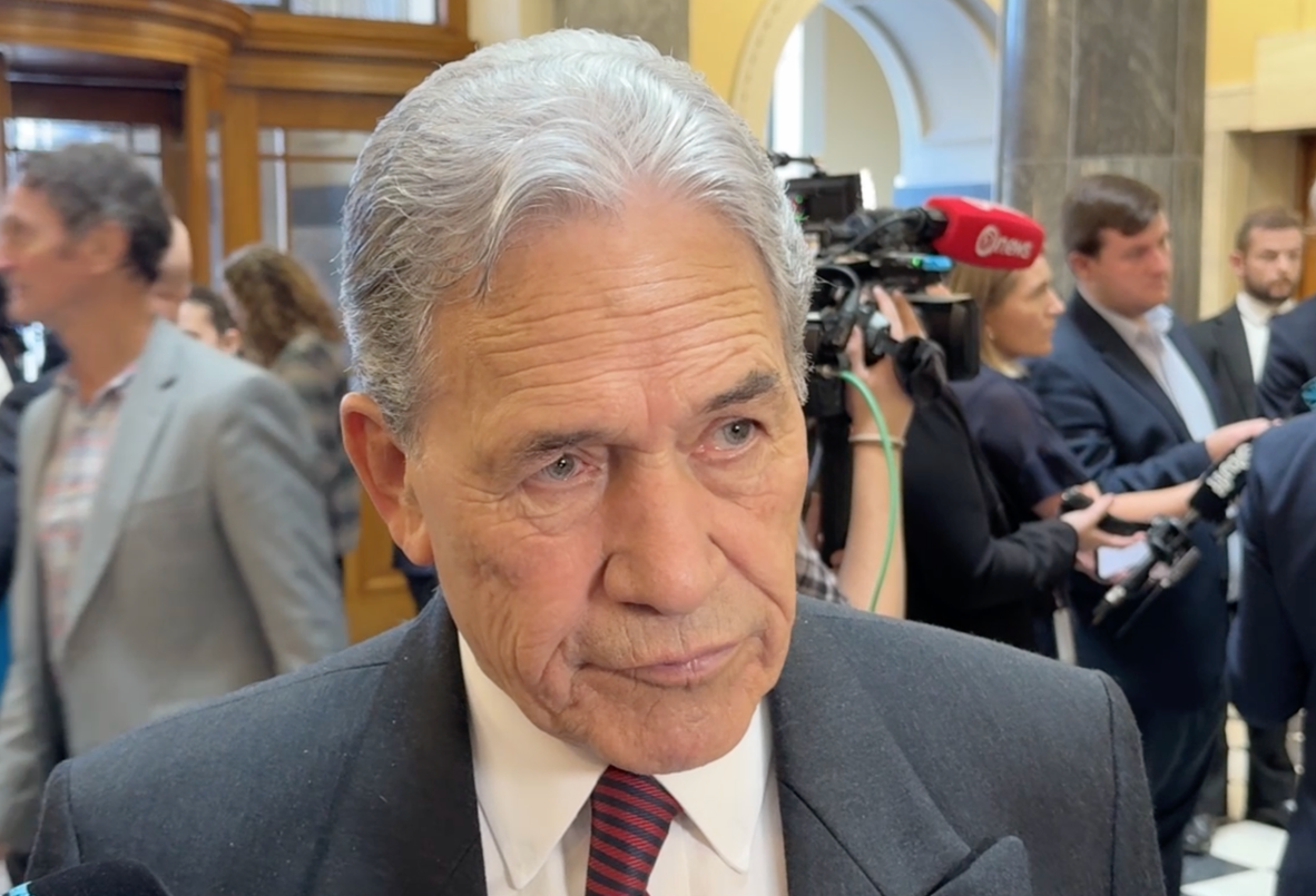
His confirmation was false, we know that now. He said she’d failed to fill in some forms. Like she’d been hiding something. That she got what she deserved.
A narrative that a lot of people in New Zealand still believe. Look at the comments section under various news stories on social media and Winston’s narrative stuck: She wasn’t to be trusted. She brought all this upon herself.
Betty pauses.
I'm just... you know, looking back now, Winston Peters, he... he worries me for our country, he really does. He's like a mini-Trump in New Zealand for me. But just someone who can brazenly lie and tell people, “Oh, Everlee didn't fill out some forms correctly, she missed information.”
Just to blatantly lie like that was just, I couldn't believe it.
And then at first I thought, maybe he didn't know. And I'm like, “But he's the Minister of Foreign Affairs. How can he not know?” And then you come to the realisation that he just straight out lied. He's a liar. A bald-faced liar.
She had some kind things to say about the New Zealand consulate, after they finally got onboard. She also spoke favourably of Labour’s Phil Twyford, and the Maori party.
I ask if Betty plans to stay in the US herself. And, as expected, the answer isn’t straightforward.
It's a very scary time. You know, I worry for Everlee, of this happening to her again. I worry about [my other children]. You know, we've got two people that aren't citizens and it's very worrisome. And the new things that they're coming up with, like the Naturalization Bill that they tried to push through. It failed once, but it doesn't mean that they are not going to push it, try again. So it's worrisome.
We had planned on leaving when [my husband] Gordon retired, and he's looking at retiring this year. But then our kids went and had kids, kids who love us and want to be around us, and call us, and that's made it difficult for us to want to leave.
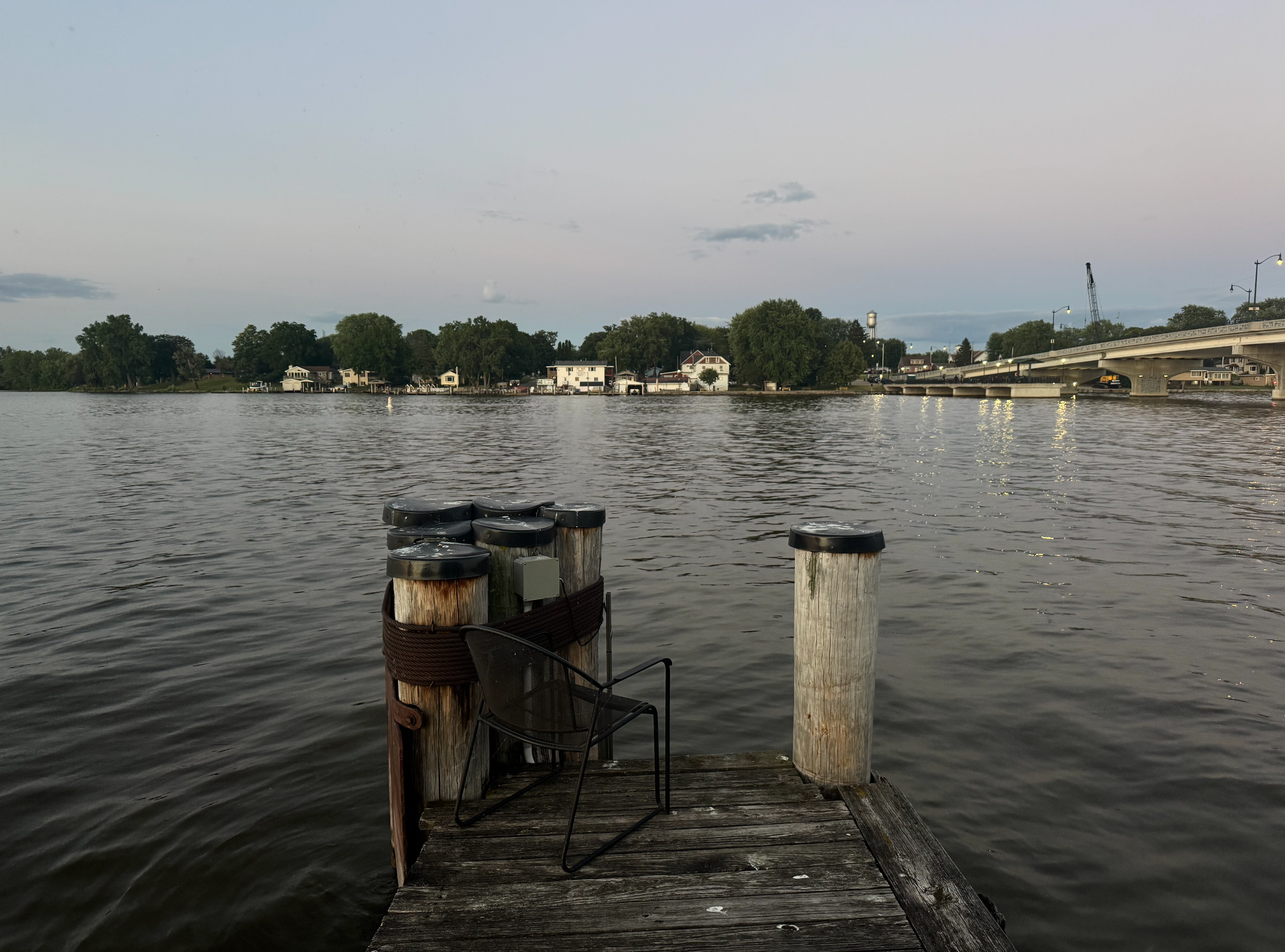
There’s been a lot of beeping while we talk, Everlee getting up and down to the kitchen. She says she saw a viral recipe for artichokes online, and she’s been making them while we talk.
We ended up eating too many of those viral artichokes, to the point that when we went out to dinner later that night we couldn’t even begin to finish what we’d ordered.
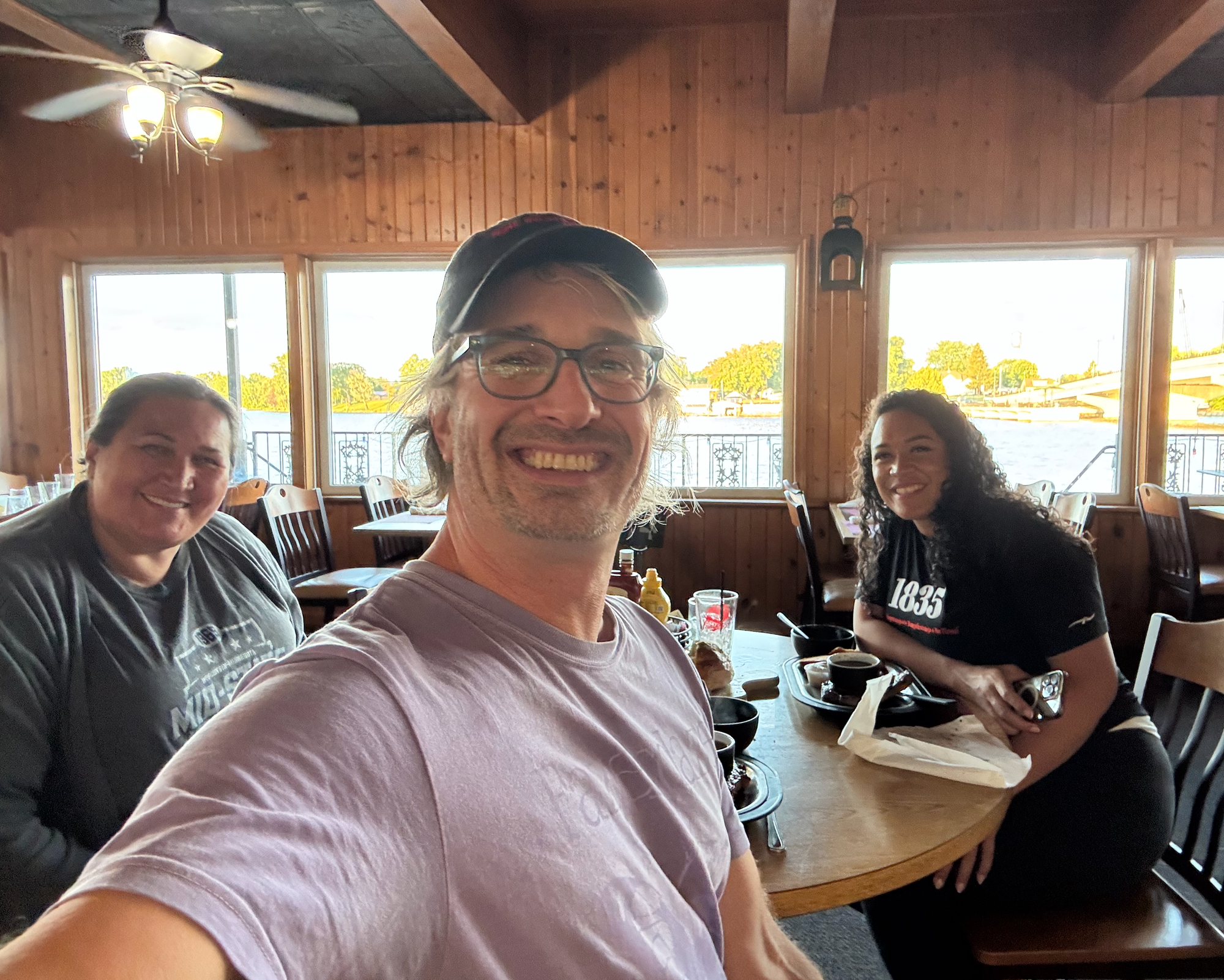
I drove back off into the corn, driving back to Madison. Betty texts me to make sure I made it back safely.
I had.
The next day, some messages from Everlee, too. She's sent me a video. It’s eight seconds long, and is soundtracked by music blasting from a speaker.
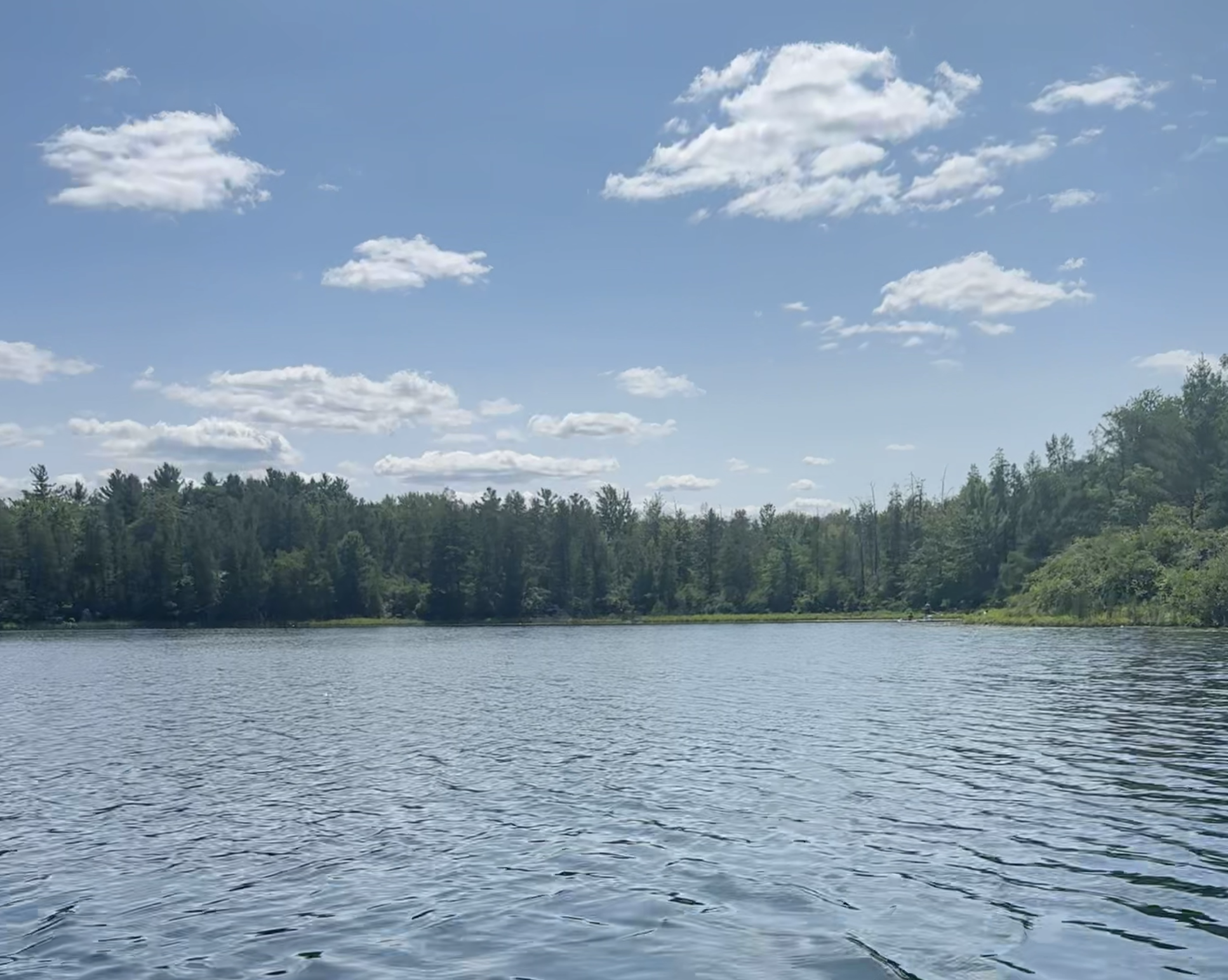
It’s a terrifically bright day, and she’s out in the middle of a lake on a paddle board, surrounded by sparking blue water and a giant sky.
It’s just her.
And while she has a long road to recovery in front of her, right now she feels about as free as any human could be.
You can share this edition of Webworm using this link: www.webworm.co/wisconsin
To donate to Webworm or find out anything about how your subscription works, please visit the FAQ: www.webworm.co/about
I am always available for tech support or questions from paying members: davidfarrier@protonmail.com
The Everlee Wihongi Series:
April 20: When You're Daughter Is Kidnapped by ICE
April 25: The ICE Detention Centre Housing Everlee Wihongi
April 28: Everlee Will Remain Locked Up For Another Month
May 6: Did Winston Peters Lie About Everlee?
May 10: Everlee Has Disappeared
May 13: Everlee Has Been Found in Arizona
May 28: Everlee Update
June 7: Story Updates: June 7 Edition
June 14: Story Updates: From The June 12 Hearing
June 18: ICE F**ks With Everlee (Again)
June 19: Everlee Is Free