Totally Normal #40: Iran
Tony Stamp takes a moment to look beyond the headlines.

Hi,
Today is the 40th issue of Tony Stamp's Totally Normal. I feel very lucky to have Tony here each month, where he catches us up on niche parts of internet culture, often in surprising and humanising ways.
Today, he turns his attention to an incredibly non-niche issue: Iran.
First though, Webworm can report that the Progressive Democratic Club has firmly voted to rescind their endorsement of Anna Wilding. This means she has zero major endorsements in her run for Congress. New Zealand born Wilding married US man James Sved in 2014, hence her attempt to enter US politics. You can read more about yesterday's vote here.

Okay, onto Totally Normal. See you in the comments!
David.
Totally Normal #40: Iran
with Tony Stamp
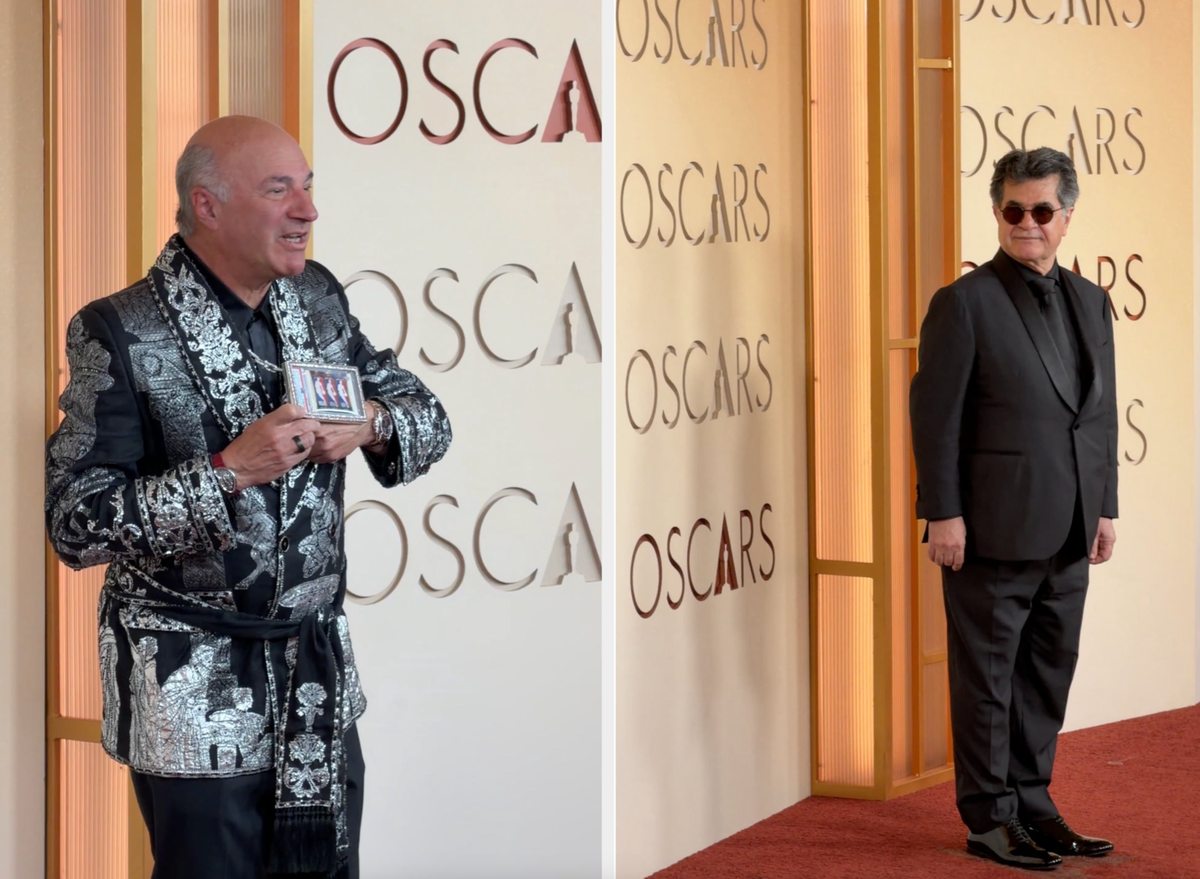
Backstage at the 2026 Academy Awards, a particularly surreal photo op took place. On the right was Jafar Panahi, Iranian director of the Oscar-nominated It Was Just An Accident. And on the left, MAGA-aligned businessman and TV host Kevin O’Leary, wearing a silver-embellished suit and flashing a necklace containing NBA cards for the cameras.

It had been just over two weeks since America and Israel had illegally bombed Iran, an assault which included a double missile-attack on a girls’ school that left 110 children dead.
One can only imagine how Panahi, (an ongoing critic of the Iranian regime, to the extent that he has to make his films in secret), felt while staring down this avatar of American id.
Iran is on everyone's mind around the world, but deciding to mention it in my frivolous column necessitates multiple revisions and adjustments. In the time since I started, Trump has flirted with, then walked back, genocide. Multiple times.
A senior White House official tasked with dispensing online anti-Iranian content described their job thusly: “We’re just grinding away on banger memes, dude”. Not only is satire dead, but saying “satire is dead” is dead.
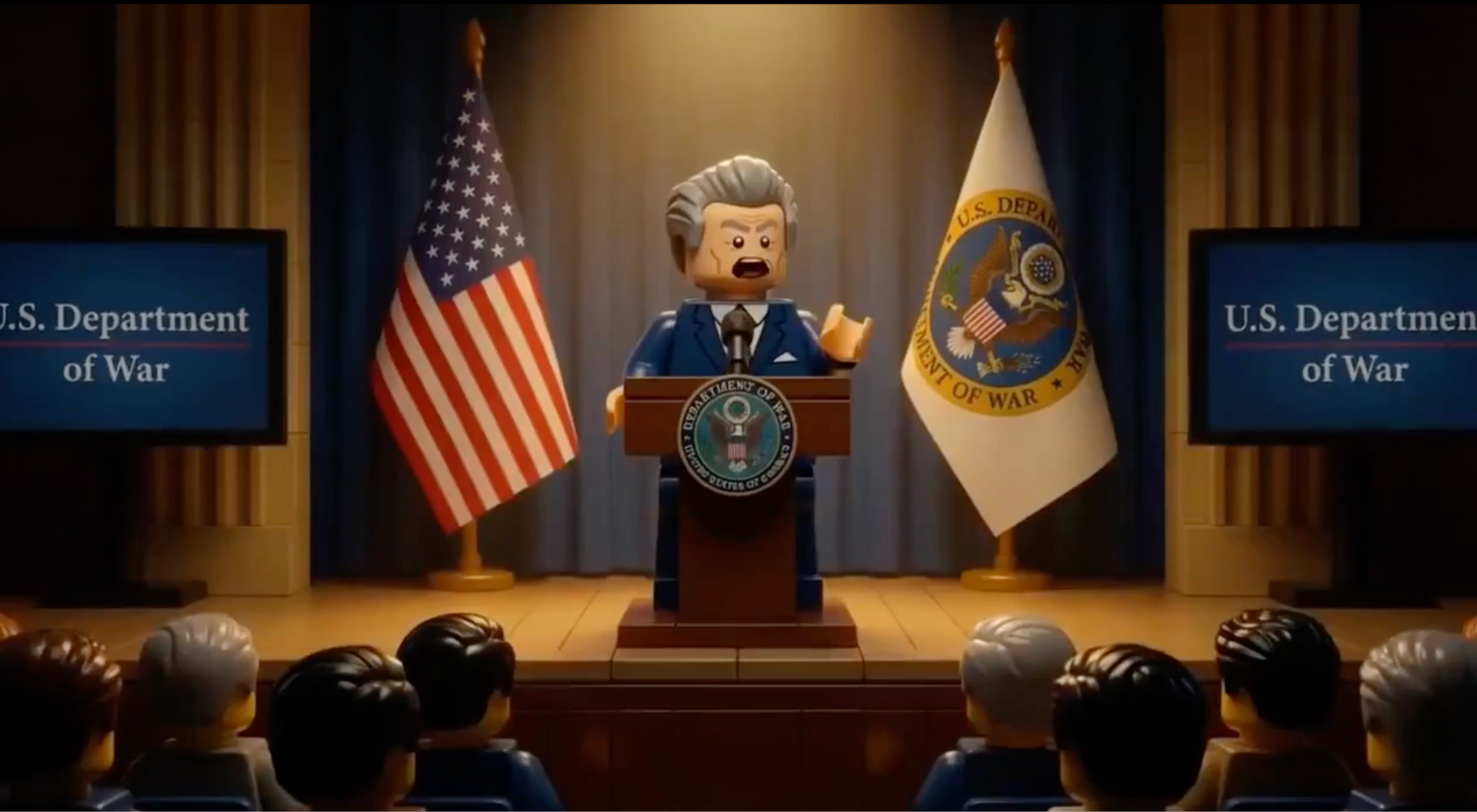
Banger memes or not, the US is being decisively beaten in the propaganda war by Iran, whose AI-crafted, Pixar and Lego-aping videos are undoubtedly queasy (if not outright terrifying), but do manage to make a few salient points, particularly about dead schoolchildren and pedophile islands.
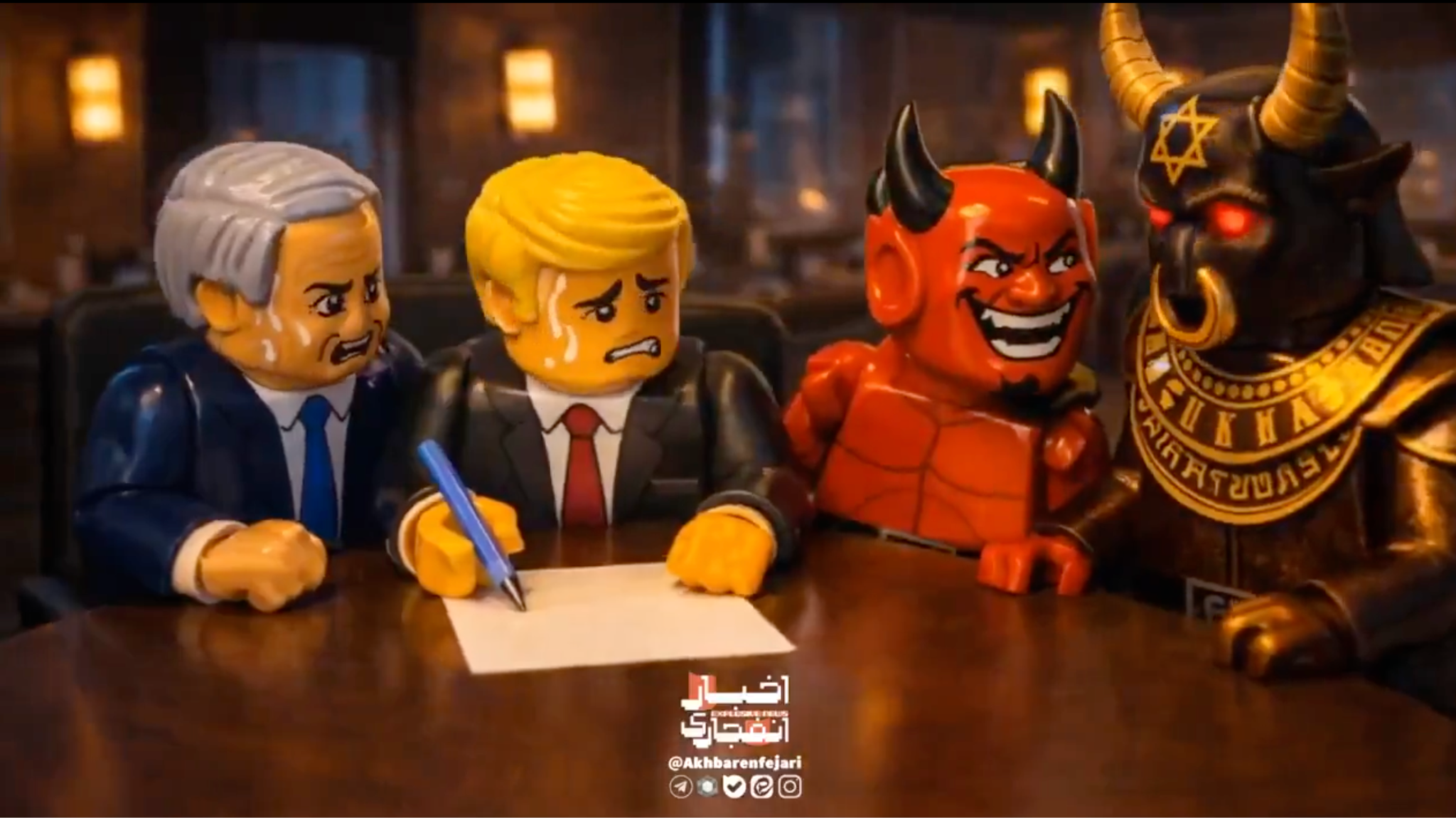
A recent video trawls through allegations against Pete Hegseth of public drunkenness and spousal abuse via the medium of rap, and again it’s very ugly (and homophobic) – but then Hegseth is a risible figure, and these allegations are very public.
Since my last column, Open AI’s image generator Sora has been killed. Mark Zuckerberg’s Metaverse is essentially over. Google has been letting AI re-write headlines, thwarting SEO-thirsty editors the world over.
And Iranian-backed hackers accessed old emails from the head of the FBI, which I feel would have registered as a scandal at one time, but not anymore.

I am no great expert in Iranian culture, but I have watched quite a few of their movies, which are regular fixtures in film festivals here in New Zealand and around the world. Jafar Panahi is a great starting point. His mentor Abbas Kiarostami was firing off bangers from the ‘70s through 2010s.
Kiarostami, who died in 2016, was invoked by the New York Times recently, after his former home in Tehran was damaged in strikes. The Times, employing their usual rhetorical mangling to avoid implicating America or Israel in any way, went with the headline Iran Tried to Use a Famed Director’s Home to Push Its War Narrative: His Son Fired Back.
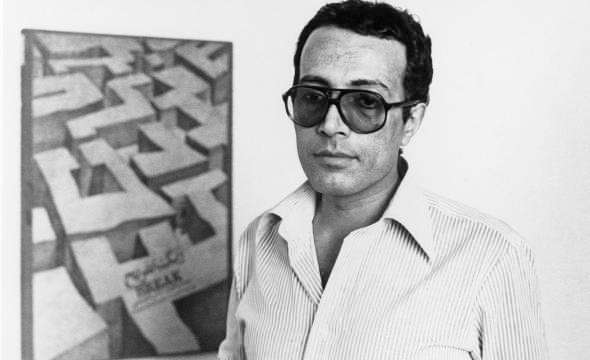
The ‘war narrative’ that Iran (a spokesman for their Ministry of Foreign Affairs, via tweet) tried to ‘push’, is that US-Israeli forces shouldn’t have bombed a house. Which we can hopefully all agree on.
Kiarostami’s son Ahmad objected to having his father’s name associated with a regime who had previously banned his work, and fair enough. But “Fired Back”? Pretty tasteless.
With the world’s attention fixed on Iran, and headline-writers across the globe breaking out in flopsweat trying to dehumanise its citizens, I wanted to expand my knowledge of the region beyond movies and theocracy.
What I learned is that 34 million Iranians, much like me, love to play video games. It’s a very popular hobby, and Iran has been producing its own games for some time.

Ali Baba and the Forty Thieves of Bagdad, created (as far as I can tell), without government influence, was the first locally-made game, released in 1995.
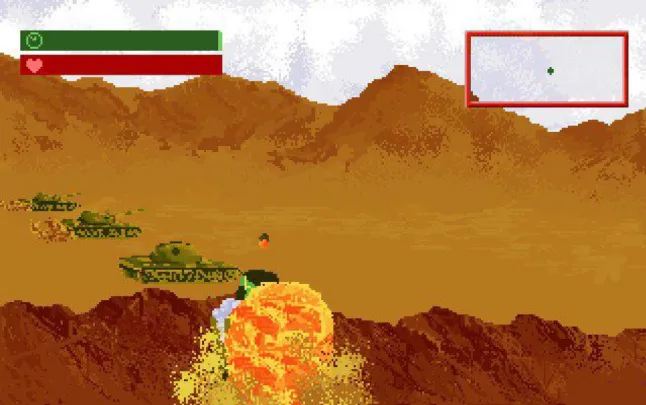
Tank Hunter followed in ‘96. Made in conjunction with the government, it’s set during the Iran/ Iraq war, and involves blowing up tanks with an RPG.
After that came Devil’s Breath, made for Iran Drug Control Headquarters and concerned with thwarting smugglers.
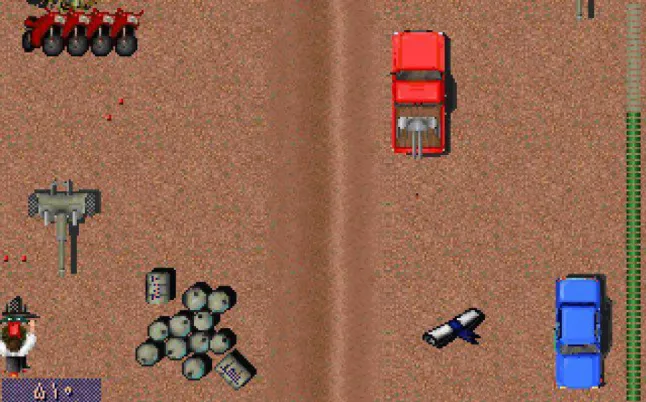
As reported by Wired a few years ago, Video Games Are a New Propaganda Machine for Iran (although within the story it’s noted that Tank Hunter and Devil’s Breath are hardly new).
The article notes the ongoing mining of history and folklore for game developers, and points to a turning point in the mid-2010s when American game Battlefield 3 featured Iranians as villains. The Iran Computer and Video Games Foundation quickly clamped down on funding for game developers, forcing them to work within the government-funded sector.
One recent title called True Promise, developed with the Organization for the Development of Sacred Defense Culture in Cyberspace, offers gamers the chance to fight the Israeli army as part of the Resistance Axis, taking part in simulations of real, post- October 7th battles.
Others, like the charming side-scrollers Bahram The Goat And The Assyrian Tree and Adventures of ESI: Space Thieves, or horror-adjacent titles like Devil In The Capital and Lightless, are independent, free of political influence.

Whenever a Middle-Eastern country starts getting bombed by the United States, well-meaning internet users emerge to remind everyone that these places are populated by real human beings, part of civilisations much older than the ones that speak English.
I guess that’s what I’m doing here, too. As much for myself as you, it felt important to take a moment to think beyond the headlines. There’s so much I don’t know, personally, and I’d like to remedy that.
For example, did you know that pre-Islamic Revolution Iran enjoyed a rich psychedelic rock scene? I just spent six minutes nodding along to the band Jokers and their 1972 track ‘All Wrong’.
Maybe you could, too.
-Tony Stamp
More from Webworm:
 David Farrier
 David Farrier
 David Farrier