Why Do People Have To Live Outside?
Homelessness is not inevitable. It does not have to exist.


Hi,
A few years ago I worked with an incredibly wealthy person in Los Angeles who despised unhoused people.
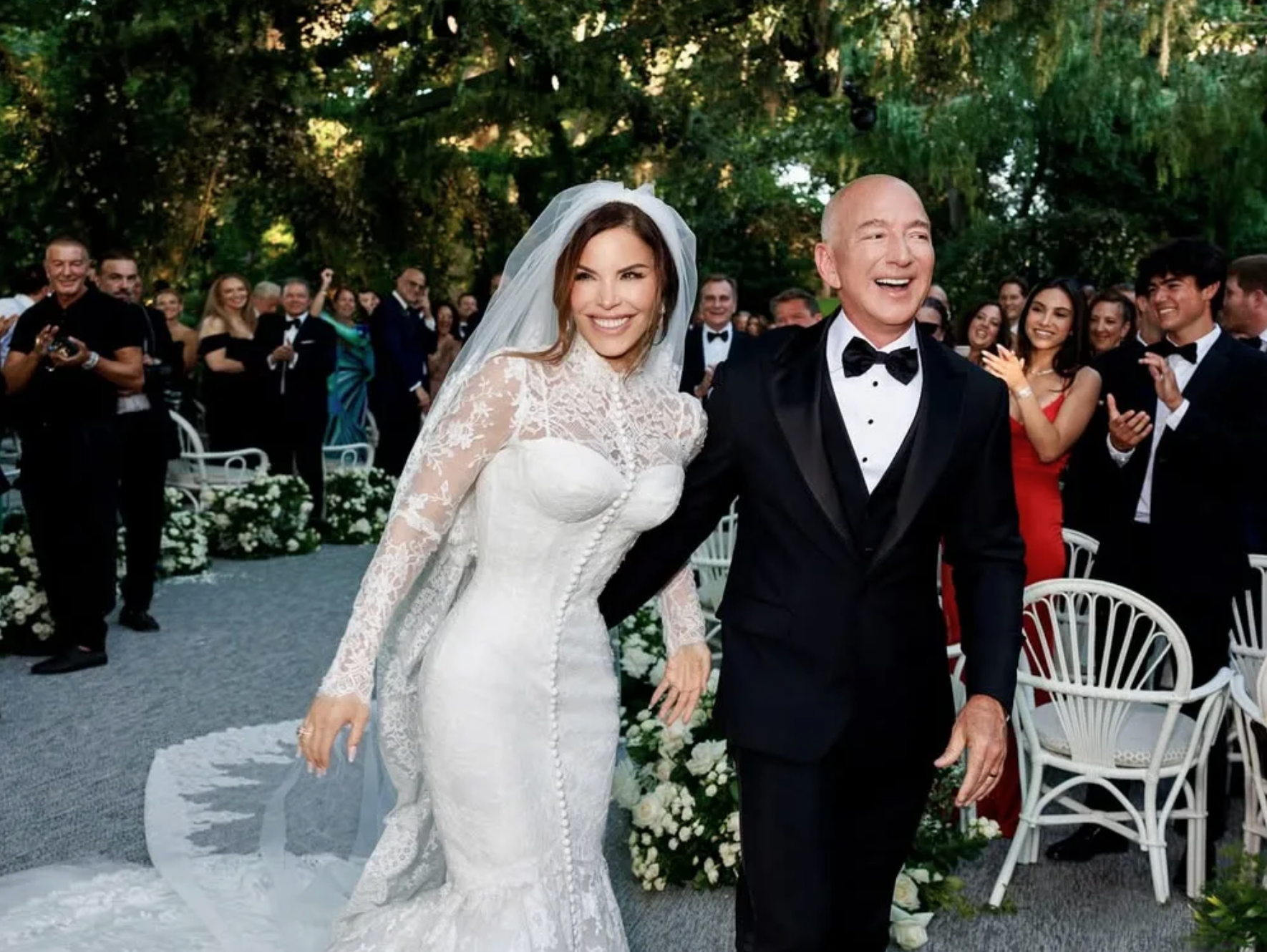
They were a burden in their day, a trash bag to be stepped over. It was a pretty wild insight into how some people think here in the United States, as the divide between the rich and poor continues to widen. My colleague’s distaste of the unhoused was matched with a love of the billionaire class: Jeff Bezos and Bill Gates were to be admired. They were heroes. Success stories. The American dream writ large.
Around me right now, I see friends teetering on the edge of homelessness. This weekend, two GoFundMe’s appeared from people I know, raising money so they could clear medical debt and find a place to live. I give where I can, because right now I can.
Here in 2026, it’s a very short series of steps from house to car to street. Our mental health is stretched, and if you don’t have immediate family or friend group support when the walls close in, the distance is even shorter.
And here’s the very obvious thing that’s not obvious to everyone: New Zealand is just as bad.
We have a population of just over five million people, and this winter four people have died because they had to live outside. The most recent died sleeping outside the office of the Minister of Justice, a politician who championed legislation to criminalise homelessness.
The body was taken away before it could leave a stain.
Today, I want to hand this newsletter over to guest writer Aaron Hendry, who founded a charity with his wife Summer to support kids who find themselves homeless.
I think the situation in New Zealand is dire, and we need to clock this. I run into a bunch of Americans on a regular basis who see New Zealand as a liberal caring utopia, led by a woman we see on American talk shows. It’s none of those things.
Take it away, Aaron.
Why Do People Have To Live Outside?
by Aaron Hendry
Four people died this winter. Homeless. After sleeping outside in the cold.
The fact that people died because they didn’t have anywhere safe to sleep is shocking enough. But the fact this happened, in Aotearoa – a country that prides itself on its progressive, green and liberal image – is horrific.
New Zealand likes to portray itself as a bastion of progress and justice in the Pacific. We like to think of ourselves as kind, fair and compassionate people – but the reality is far more grim.
Over 112,000 people are experiencing homelessness according to our most recent census data. Of that 112,000, about half are children and young people. Those figures are probably also lower than reality, due to some key decisions our current government has made over the last few years.
The National Party came into power at the end of 2023. At the time, my wife Summer and I were in the early days of founding Kick Back – the charity I lead that supports young people and children who experience homelessness in New Zealand. Kick Back runs an outreach and crisis response centre in the heart of Auckland called The Front Door, where we provide a safe place for children and young people to access food, shelter and healthcare – as well as a safe community that is willing to stand by them.
Right now, we’re monitoring over 200 children and young people in the city – and that number is growing every week.
Summer and I began Kick Back because after over a decade of advocating and fighting for more to be done, we saw some key gaps in the system that were just not being filled. Not because we don’t understand the issue here in New Zealand, and not because we don’t have the resources to act (New Zealand is a small, fairly wealthy country of about 5 million people). It’s because time and time again, successive governments have made clear decisions to prioritize profit over people. Decisions that have left our kids literally outside in the cold.
Prior to this current government, one of the key issues we were fighting for was for the then Labour government (led by Jacinda Ardern) to invest in housing for young people and to ensure that there were safe places available for them when they did experience homelessness.
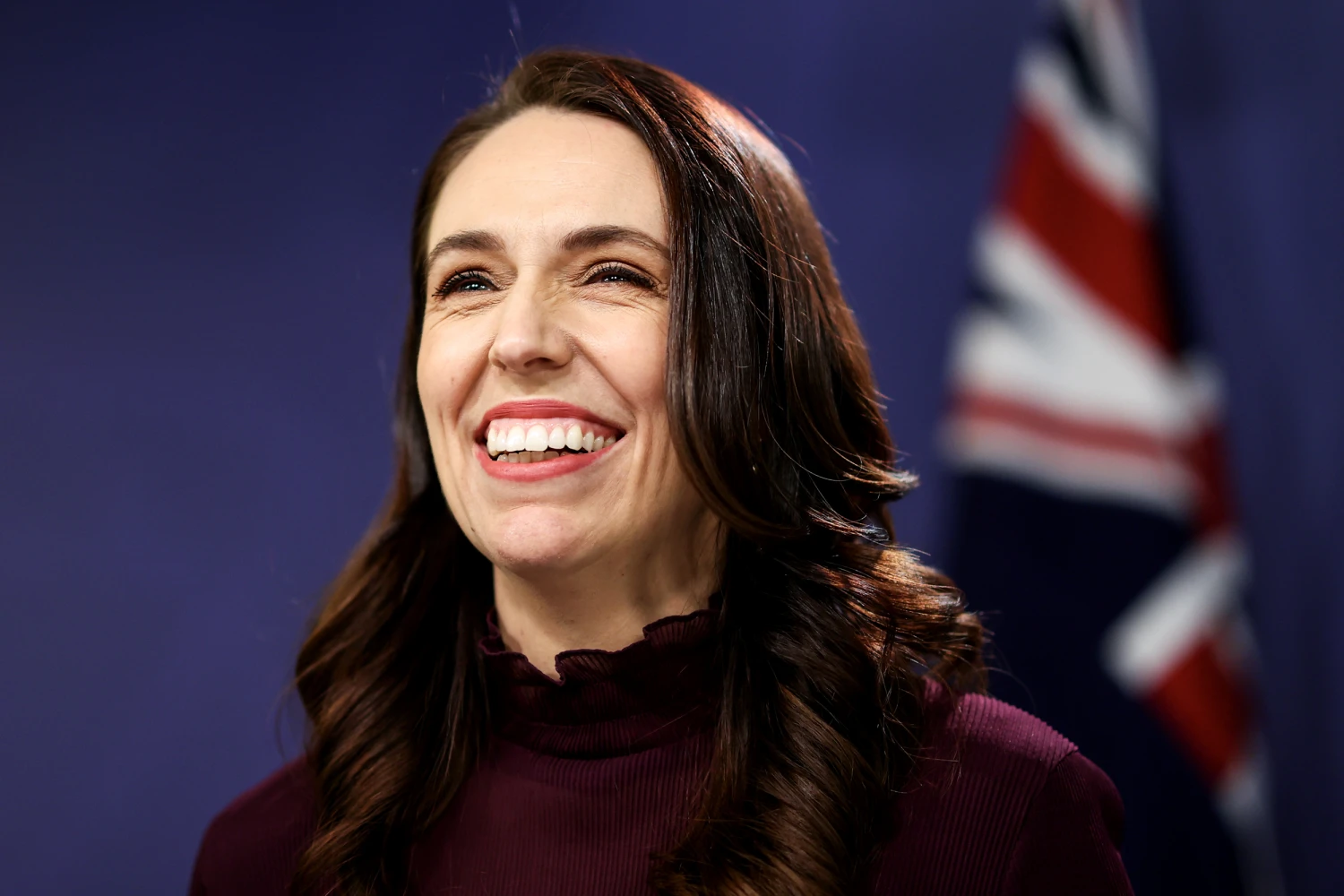
At the time, Labour was spending about $1 million a day on providing emergency housing for people. And though the act of providing it was commendable, what this looked like in reality was far from it. Instead of regulating emergency housing and ensuring everyone who needed it was safe and had the support they needed, the Labour-led Government essentially privatized what should have been a public service, funneling millions of dollars into the back pockets of private landlords – who in return provided sub-standard, unsafe shelter for some of our country’s most vulnerable people.
Instead of preventing or ending homelessness, Labour’s lack of action or investment in real solutions essentially created slums within Aotearoa, sustaining homelessness for many people and resulting in many – including young people – being harmed, abused and traumatized as a result of the conditions they were forced to survive in.
At the time – alongside many of my colleagues in the social and community sector – I had a lot to do with advocating for the government to invest in immediate housing and crisis response services that could replace the emergency housing model they were using. The government decided not to back these solutions, and instead responded by claiming that though they wished they could do more, emergency housing was still better than sleeping on the street.
The young people we were serving told us that for them, sleeping rough outside was at times safer than the experiences they had while staying in their government funded emergency accommodation. Think about that for a second: Can you imagine being a kid, and being faced with conditions so poor and dangerous that you felt you had to make “the decision” to sleep outside in the cold, rather than stay in the shelter you’d been provided?
The National-led Coalition came into power at the end of 2023 promising to fix this. The incoming Minister of Housing, Chris Bishop, rightly stated that emergency housing was the country’s biggest public policy failure in recent times. He vowed to get kids out of motels and to end the growing number of people living there. But the government had also made promises to their corporate donors to reduce borrowing, and to cut taxes for landlords and the rich when they got into power.
When it came down to it, fixing emergency housing looked much more like a cost saving project, than any serious attempt at materially improving the lives of our country’s most structurally marginalized people.
Instead of investing in immediate housing services and increasing funding to outreach and crisis response services, the National chose to save money by making it harder to access emergency housing. The impact was immediate. Rough sleeping across the country increased dramatically as people struggled to access shelter. The government had essentially closed the door, leaving our people outside in the cold.
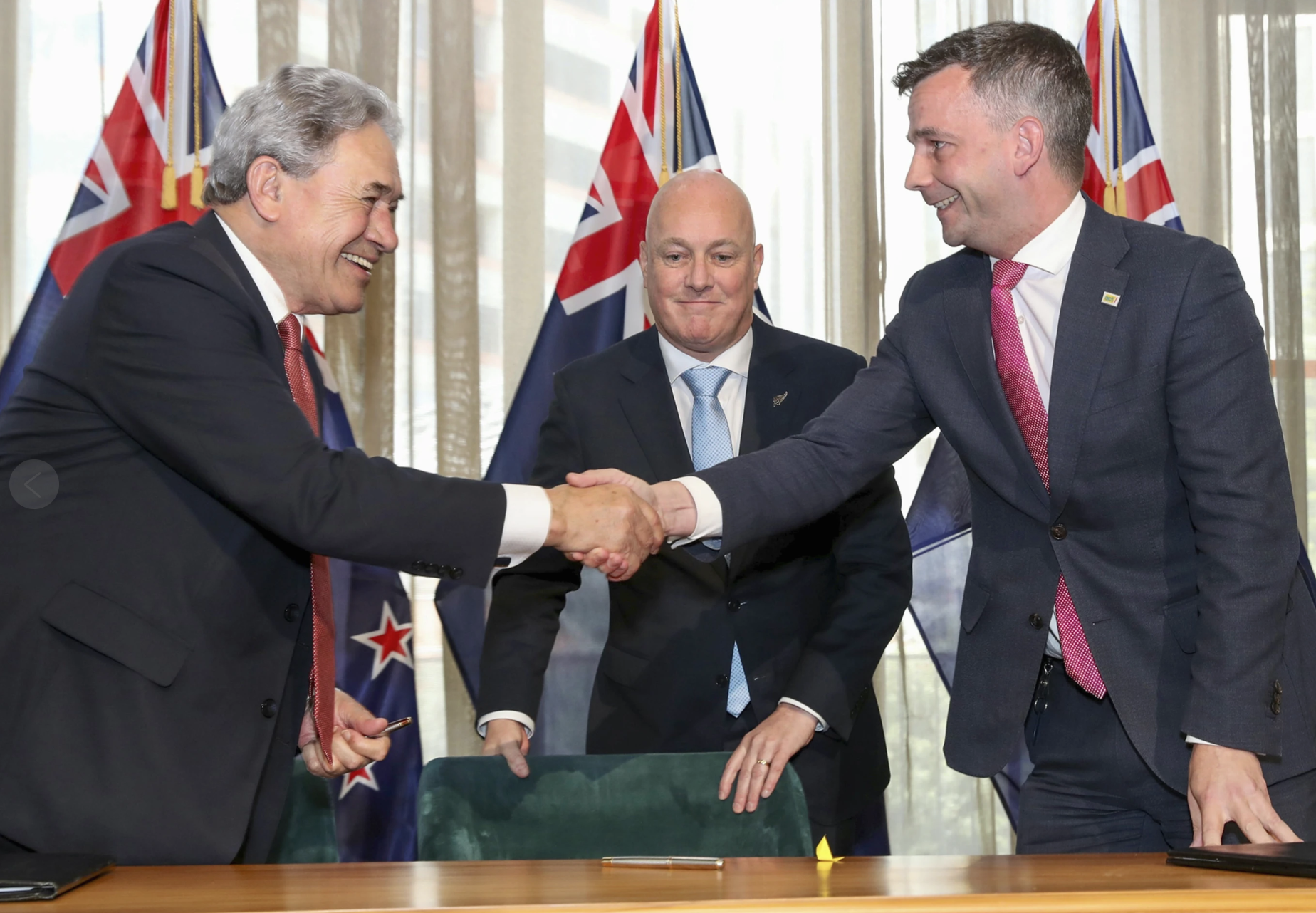
Tightening access to emergency housing was not the only decision this government made which has contributed to the explosion of homelessness in New Zealand. To pay for the tax cuts they promised to landlords and their wealthy friends, our government made deep cuts across our public and community sector, shredding our social safety net and making our communities more vulnerable to homelessness.
They have made it easier for people to be evicted from public housing, made our social welfare system more punitive and harder to access, weakened renters rights through the introduction of no-cause evictions, sold off state housing, and cancelled public housing developments. They are currently in the process of introducing legislation that will criminalize homelessness.
The whole way through, they were warned that the decisions they were making were putting the lives of people at risk. Officials, social service providers, community leaders and even local councils warned them that their decisions were resulting in more and more people sleeping outside on our streets.
And yet they pushed on – allowing families, elders and children to sleep outside: In bus stops, on the streets, in their cars. To face the hard cruelty of winter, alone.
And now New Zealanders are dying because of it.
In the period between the end of July and early August this year, three people died after sleeping rough outside during the harshest period of our winter. A few days ago a fourth person, believed to be rough sleeping, was found dead. This time, in a cruel and dark twist of irony, the person died sleeping rough outside the office of the Minister of Justice, Paul Goldsmith.
The same minister who has been the champion of legislation designed to criminalize homelessness and force unhoused people away from our city centres and into the unseen suburbs. Suburbs like Auckland’s Epsom, where Goldsmith has his office, and where this person died. Out of sight and out of mind.
Instead of being outraged – instead of this story leading headlines across the country and prompting a nation-wide cry for change – the response from our media has been largely muted. Outlets gave a nod to this tragedy, but largely decided to focus on other things. To me, it’s an indication of how desensitized we’ve become to the suffering of our fellow Kiwis.
It’s infuriating. Because this doesn’t need to be happening in New Zealand.
People don’t have to sleep outside.
People don’t have to die.
We have the solutions, we have the resources, we have the people willing to do the work needed to make this go away. It is not beyond imagination to think that we could actually end homelessness here in Aotearoa New Zealand.
But we have decided not to.
New Zealand likes to think of itself as a just, compassionate and liberal democracy.
We like to think of ourselves as better than countries like America, we look at the poverty and homelessness in the States, and we like to think we’re doing so much better. We pride ourselves on being a country that looks after its people.
But in many ways, we’re no different. Our government panders to the rich while aggressively attacking the poor. We speak a lot about compassion, but deprive our people of justice.
Housing is a fundamental human right. Despite grand pronouncements championing human rights on the world stage, successive governments have decided not to enshrine the human right to housing. Failing to protect this basic human right, our political leaders have instead chosen to protect landlords rights to commodify housing and exploit the system for their own personal gain. This has led to the commodification of our housing system, leading to a system that protects the rights of property developers and landlords to make large profits, over the basic human rights of our people to access a safe place to call “home”.
Homelessness is not inevitable. It does not have to exist.
Homelessness is a political choice. A decision not to address the complex challenges our nation is facing.
If the New Zealand government wanted to end homelessness… they could. They could roll back their dangerous and deadly emergency housing policy, ensuring that anyone needing shelter could get it. They could tax wealth and capital gains and choose to build public housing.
They could strengthen renters rights, invest in outreach and crisis response services, and ensure those on benefits had liveable incomes. They could fund immediate housing programs, and implement “duty to assist” legislation to make sure public services are compelled to do all they can to prevent people from sleeping rough.
The struggle to realize the right to housing is not unique to New Zealand. It’s a global one. The very idea that people are being forced to sleep outside in countries as wealthy as New Zealand and the US should be completely unacceptable to us. And yet this is reality.
The fight for the right to housing – in New Zealand, and globally – will be fierce. As I said earlier, we must stop pretending that these issues are not political.
People do not just wake up one day and decide to sleep on the street. They get there as a result of intentional political choices our elected leaders make, choices that prioritize profit over people, and allow the wealthy and the few to gain at the expense of the rest of us.
If I’ve learned anything over the last decade it’s that our evidence, our stories, even our solutions are not enough to end this injustice. We do not need to come up with better ways to articulate our people’s suffering in order to convince individual politicians, Prime Ministers or Presidents to act. We need to build power.
Because that is the Hope: It’s us. We can make different choices. We can turn our anger into action and get organized. Enroll to vote, join our unions, and begin building the power we need to change this.
There is no one coming to save us – we’re the ones we’ve been waiting for.
-Aaron Hendry
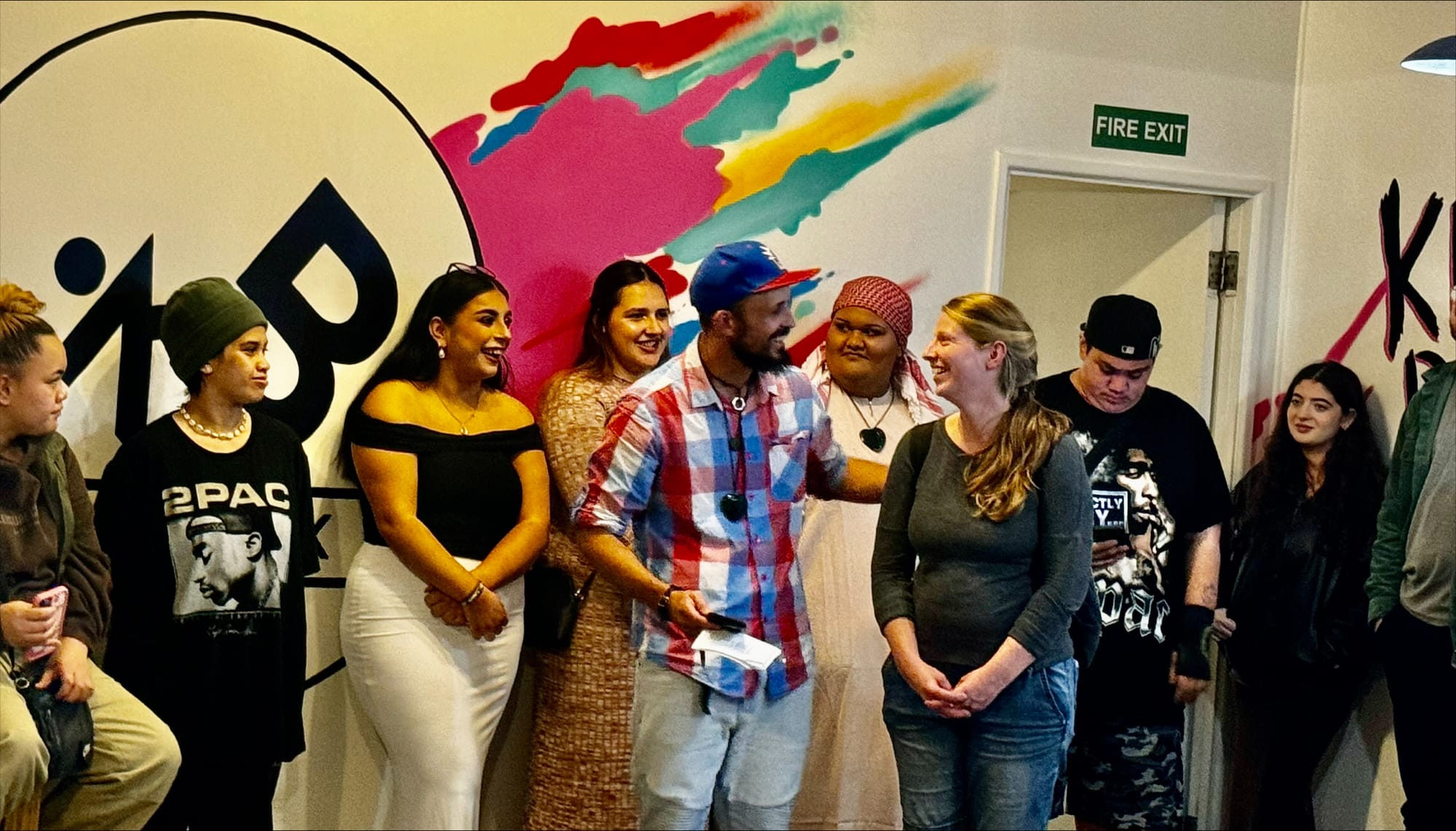
David here again. An election is coming up in New Zealand, and New Zealanders can vote on change. Enroll to vote. If you live overseas, make sure you are ready to vote from overseas.
Full disclosure – I will be voting Greens this election. I have a huge amount of respect for Green Party co-leader Chlöe Swarbrick, and from what I can tell the Greens have the best plan to end homelessness. In my opinion (and feel free to speak otherwise in the comments) no other party comes close to this level of care and consistency.
I also wanted to reiterate the power of mutual aid. This piece from a 2024 Webworm gets into that if you want to learn more. As I’ve covered police killings and ICE detention centre protests here in the USA, the power of mutual aid becomes more and more apparent to me. And it can get so much bigger.
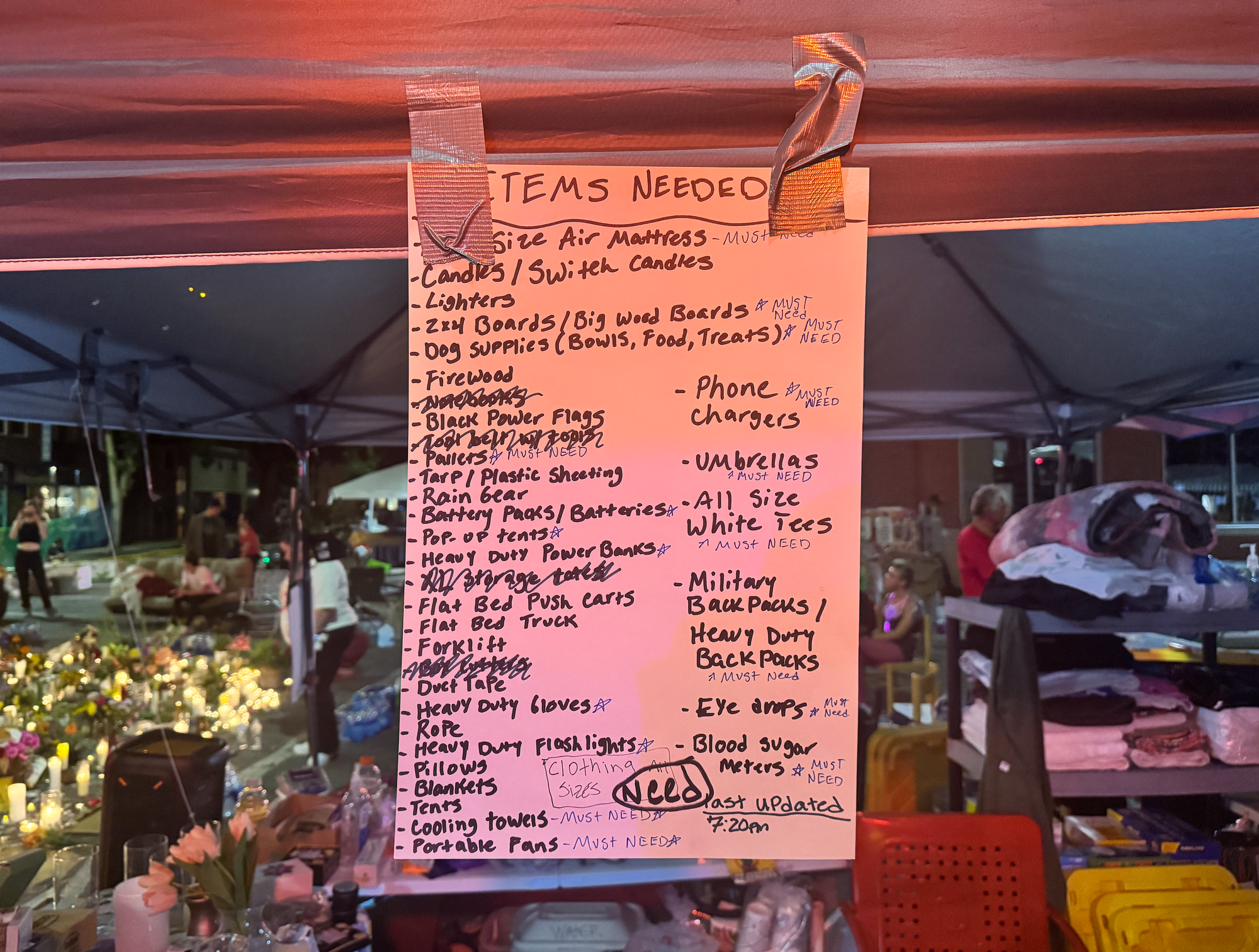
So here’s to mutual aid. And voting.
And helping each other out. We’re nothing without each other – and that includes the people currently dying on our streets.
David.