The Monster & The Man
About the goodness and darkness in all of us.
Hi,
It can be a funny thing, writing an email newsletter. From the very beginning, it's been driven by things that I think are really important – stories that may not be told elsewhere; perspectives that don't get a lot of light. And because there are no advertisers here that I need to placate, there are no barriers to what I can publish.
In theory.
Because I admit that on a few occasions, I've been worried that what I'm about to hit "send" on will cause readers to unsubscribe. That the subject matter will be too unpalatable, and that people will turn away. In the back of my head is the knowledge that without advertisers, I need paying readers to keep this thing going.
Sometimes my "fears" are realised – this story about a youth group leader (a story I was proud of) caused a significant portion of my readers to cancel on me. I don't feel proud admitting I think this way sometimes, but it can play on my mind. So sometimes, I become the barrier.
Today's newsletter is one of those. One of those that has me going, "Uh oh". But I come back to that original reason: It's important. In addition to that, the person telling the story is braver than I could ever hope to be.
Lily Thomas (not her real name) wrote to me last year, after listening to the Webworm podcast episode about Barry Briskman:
“The Spaceman Barry story held a lot of shock and surprise with its twist ending, but, for me, this story is not new or surprising in any way. And while others might feel bewildered by Barry, I feel I understand him greatly. My Dad is a version of Barry."
Over a period of around three months, Lily has been working with guest Webworm writer Madeleine Holden to tell her story. While the subject matter is dark, it's also incredibly honest in a way we don't often get to see. And, yes, I also believe it's hopeful in a way.
For some, I hope this story is healing – in that it makes some readers feel seen and less alone. For others, I like to think this can be a conduit to some kind of understanding. I also believe stories like this are empathy machines, and I have an incredible amount of empathy and respect for Lily.
I also think Lily extends an amount of empathy in this story that could seem unfathomable to some. And each survivor is allowed to feel how they feel. But this is Lily's story, and it's my honor to be able to share it.
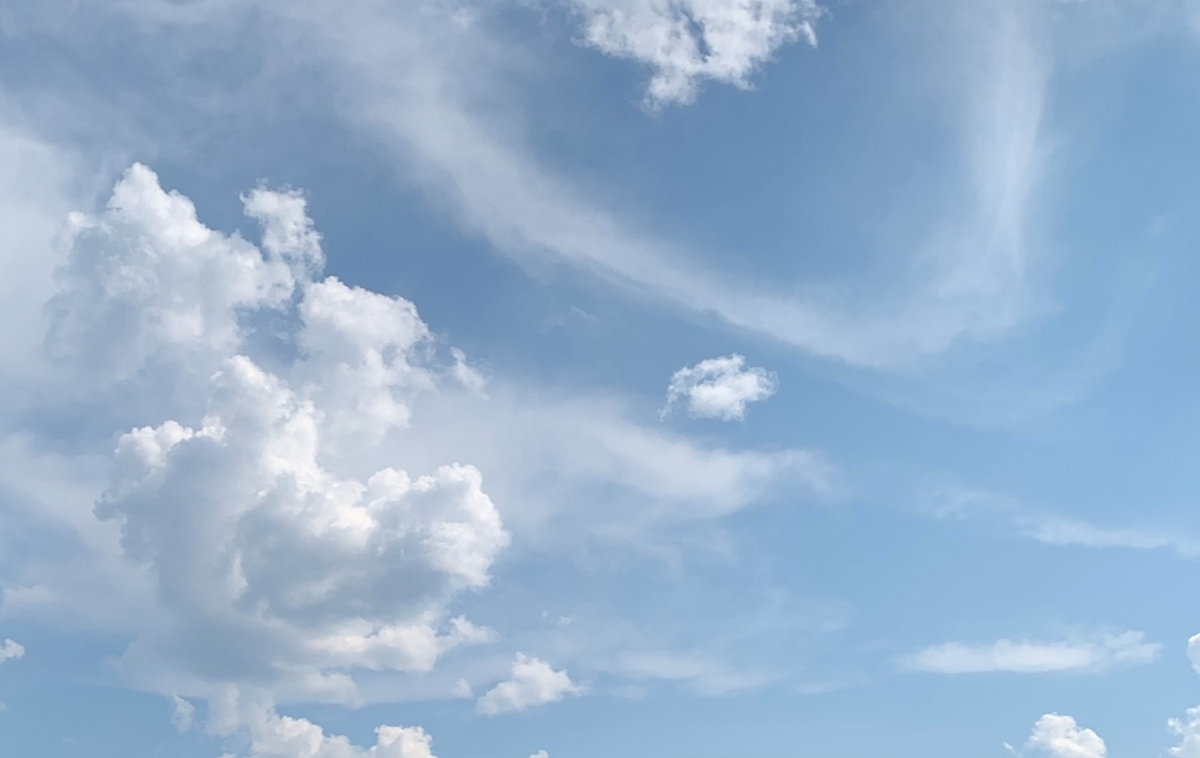
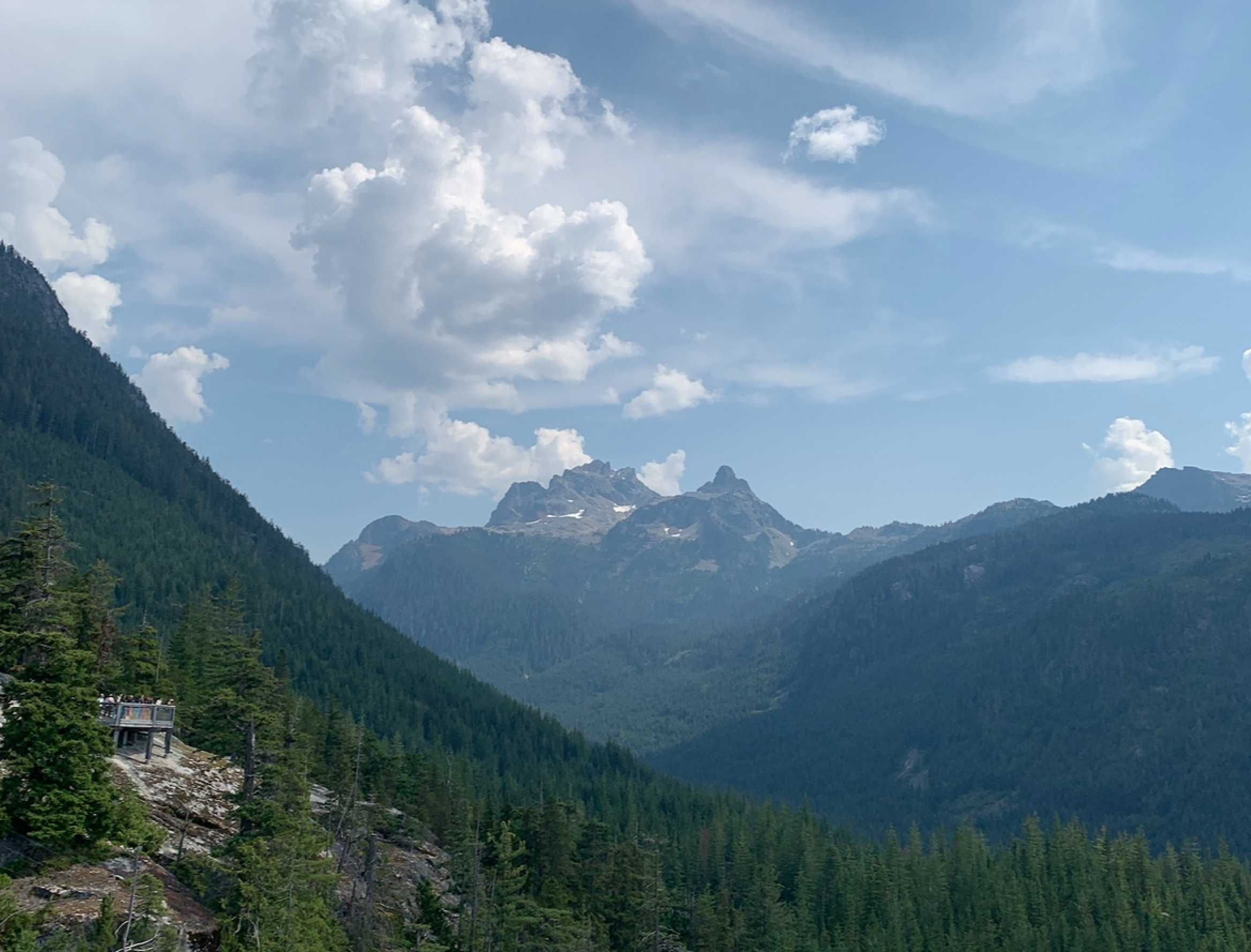
It goes without saying, but please read this story with care. It's illustrated with photos Lily took on a trip to Vancouver. "A way of releasing some of my traumatic ties to the city, my childhood, and my dad."
David.
If it causes you zero financial hardship, consider becoming a paid Webworm member.
The Monster & The Man
This is the story of Lily Thomas, an assistant professor living in California (not her real name). It was told in collaboration with Madeleine Holden, a writer based in New Zealand.
I know, I know: I’d rather not think about it either. On the list of acceptable dinner-party topics, incest is somewhere between body fluids and genocide, and for good reason: we don’t want to face the unfaceable.
I never had a choice.
I want to tell you my story, and the story of my father, who sexually abused me. I won’t bombard you with gory details, but I have something to say about the complexity of being assaulted by direct kin. About the confusion and grey area it involves. About hating and not hating my father; the monster and the man. About the goodness and darkness in all of us.
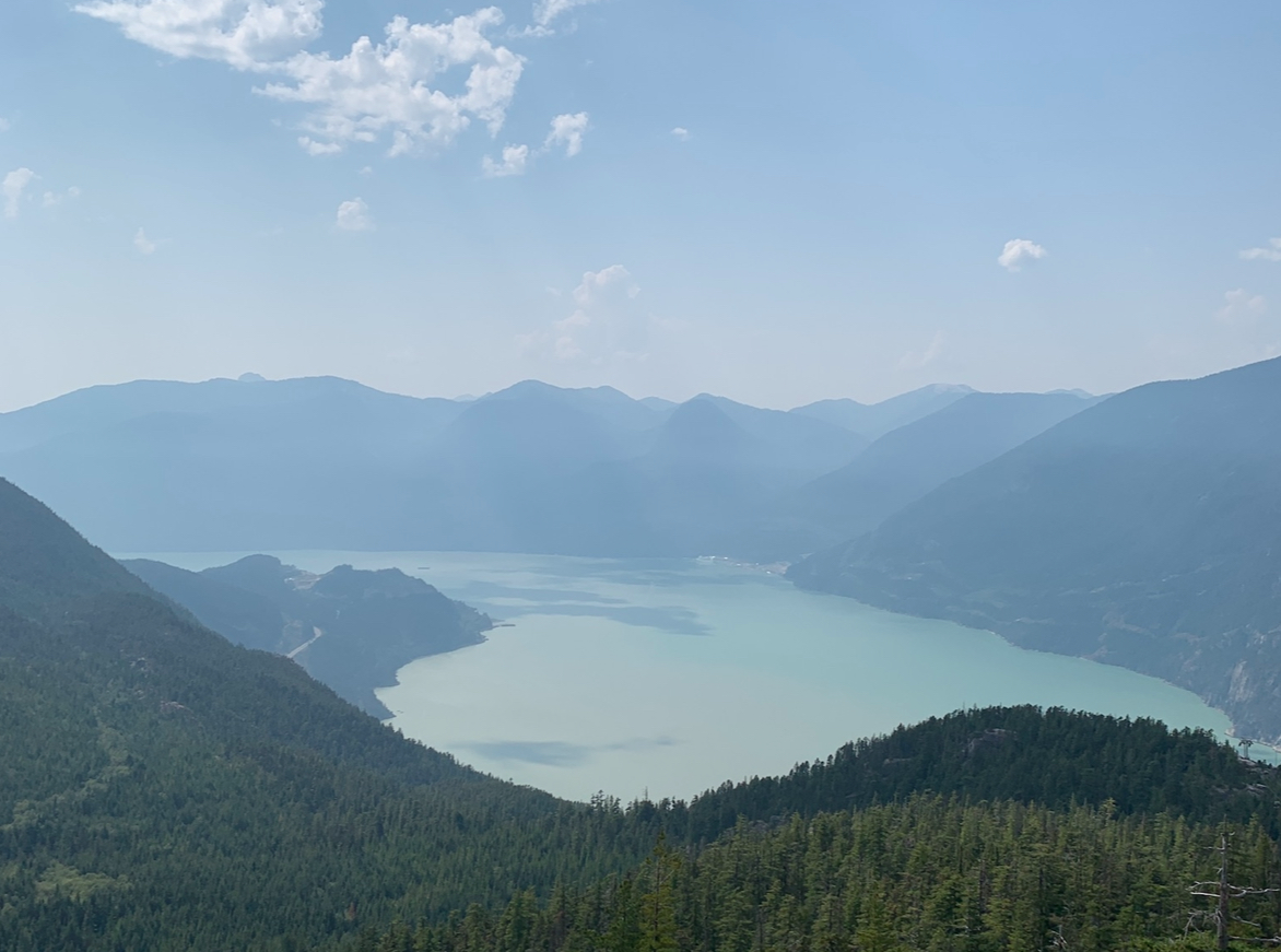
My father was a bright guy. He lived paycheck to paycheck and was constantly in debt, but he was intensely analytical with an engineer’s brain, studying kinesiology at university and working on and off as a general contractor for construction projects. He was an eclectic reader and captivating storyteller. I’m sure I got my intellect from my dad—alongside my athleticism, curiosity and sense of wonder—and when I’m casting around for things to be grateful for, that’s something I find.
My father was a heavy and lifelong drinker. At age 10 he tried his first beer and that became his daily drink of choice, but when he occasionally turned to hard alcohol like Grand Marnier and Kahlua, it turned him into a darker person. On beer, he was obnoxious, telling theatrical stories and laughing loudly, but on hard alcohol he was like a cobra: the atmosphere would be still, calm and intense, and then he would strike. Sometimes he would literally strike my mum, other times he’d fake out with violent behavior and threats just to scare her.
His descent into alcoholism makes perfect sense: as a baby he lost his father in a gruesome boating accident and his mother and stepfather were heavy drinkers; the latter a cruel and violent man and the former beset by grief, schizophrenia and homelessness throughout her sad life. My dad didn’t have much of a start.
Still, he made a shot at normal family life when he married my mother at the age of 34. They had my brother, sister and me in quick succession, each 20 months apart, and their marriage unravelled soon after. Given the aforementioned drinking, violence and threats, she didn’t stick around for long. After they split, my mum remarried and had three kids with my stepdad, who also had two daughters from his previous marriage.
My full siblings and I would spend Mondays and every second weekend with our dad, with occasional one-on-one overnights. He didn’t remarry and struggled to pay child support. His houses were derelict and strange, with milk crates and fish tanks turned upside down and covered with a tablecloth or sheet to become nightstands, and sheets and towels hung over the curtains to help keep the cold out in winter.
Despite all this, my siblings idolised my father. I never could. As early as I can remember, my primary stance toward him was wariness. This was especially true when he was drunk.
Intoxicated, my father was strange. He’d make us watch age-inappropriate movies with him and lecture us with his life philosophies. If we weren't listening well enough, he'd pretend to have a heart attack and die, either erupting into laughter at his prank or laying motionless for a long time to see how we’d react. It was my role to corral my siblings into bed when he was in one of these moods.
And from the age of three until 12, my father would creep into my room late at night, drunk on spirits, and sexually assault me.
As a child, dissociation was my defence against these assaults, and I suppressed what happened to me. I went through my teens and early adulthood with the abuse sealed off from conscious awareness, meaning I didn’t view myself as a victim or survivor. (To this day, neither of those words sit right with me, for reasons I’ll get into soon.) Still, my body always held signs: a persistent pain in my legs, bed wetting till age 10, sexual difficulty in later years, and a bone-deep fear of the dark that lasted well into adulthood.
When I was 12, I moved with my mother, stepfather and siblings from Canada, where we grew up, to California. My father visited when he could, but contact with him felt like a strain, and our relationship began to deteriorate.
Still, at age 19, I went by myself to Canada to visit my dad, and stayed at his place. The house, which I hadn’t seen since I was 12, was exactly the same, down to the stuffed animals in my childhood room. Returning filled me with an icky feeling I couldn’t explain, and the first night I was there, I wet the bed. I was mortified: I was 19, this hadn’t happened to me in years, what was going on? But when I told my dad, he got this look on his face I’ll never forget: downcast eyes, looking sheepish and guilty, with a kind of knowingness I couldn’t place at the time. I never stayed with him again.
In my 20s, my relationship with my father deteriorated even further, and his alcoholism, money problems and mental health worsened. We remained in sporadic contact and I tried to help from afar, but I had a separate life in the United States while he was on a downward trajectory in Canada. In 2021, he died of liver cirrhosis.
It was only once I had this space from my father that I was able to face what he did to me through therapy, including EMDR, and the company of good friends with similar experiences. When I first came to terms with my experience, I cried tears of disbelief, grief, agony, confusion; screaming my lungs out with rage as I drove down the freeway. In one EMDR session, I imagined escaping my father’s abuse by running out of my childhood bedroom, throwing a lit match behind me and locking the door, leaving my father to burn.
Ultimately, though, it didn’t help to view my dad as pure evil. For a start, it didn’t feel true. What my father did to me was unforgiveable; yet he could also be kind and gentle. Sometimes he seemed seized by childhood innocence: before going to bed at night, for example, my dad would lead my siblings and me in the Now I Lay Me Down to Sleep prayer then have us all say, "Something wonderful will happen to me tomorrow." He wanted us to believe good things were ahead of us; that the future was bright and anything could happen. I knew he was hoping this for himself too.
Defining people by the worst thing they’ve ever done doesn’t feel right to me. I hope I’m not remembered solely for the worst thing I’ve ever done. Sometimes people commit crimes so reprehensible that all their achievements and good qualities are overshadowed; I accept that. But it doesn’t mean their achievements or good qualities vanish.
I’ve come to see pure goodness and pure evil are fairytale ideas; a cop out in lieu of deeper thinking. Black/white, good/evil, are too easy. It's much harder to consider the middle, the grey, the complexity. I don’t think anyone is served by pretending people are wholly good or bad. Certainly not their victims.
That’s the other reason I reject the good/evil binary: it traps me in a mindset of fear. When I believe in evil people, my body shrinks in terror. When I believe in people who act out based on their own lived experiences, I don't have to be afraid. I can acknowledge that there will be people I don't want to engage with or be around based on their actions and choices – and I trust that I can handle myself, protect myself, around anyone who wants to cause me harm. They are not evil and I am not a victim.
I still sometimes hate my father. I do. I also pity him, feel grateful for him, wonder about him, puzzle over him. My feelings are complex and not fully resolved. My father died before I had a chance to confront him for what he did, and I wonder how I would react and relate to him if he were still alive. Would I confront him? Would he remember what he did to me, or was he too drunk? Would I cut off all contact? See what could be repaired between us? Forgive him if he apologised sincerely? I don't know how I would navigate any kind of relationship or interaction with him.
I want to stress that I’m not holding myself out as a spokesperson for survivors. I’m certainly not telling anyone how to feel about their own abuser.
But I’m not consoled by the image of my father as a two-dimensional monster. Ultimately, this is why I let it go: I find complexity more healing than caricatures; nuance more soothing than binaries. I can find space for all the realities of my father: his many faces, moods, modes and deeds; all the horror and the beauty. So I can find space for all of myself too.
-Lily, as told in collaboration with Madeleine Holden.
More On Webworm:
 David Farrier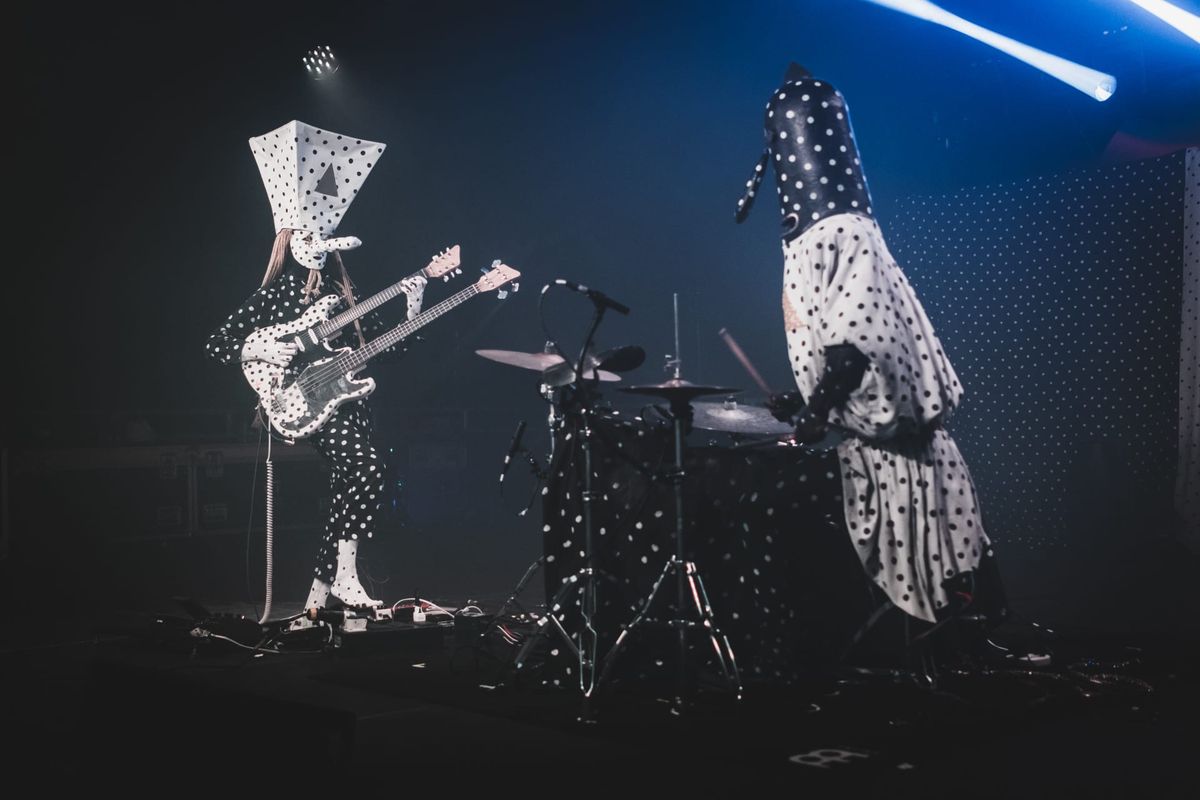
 David Farrier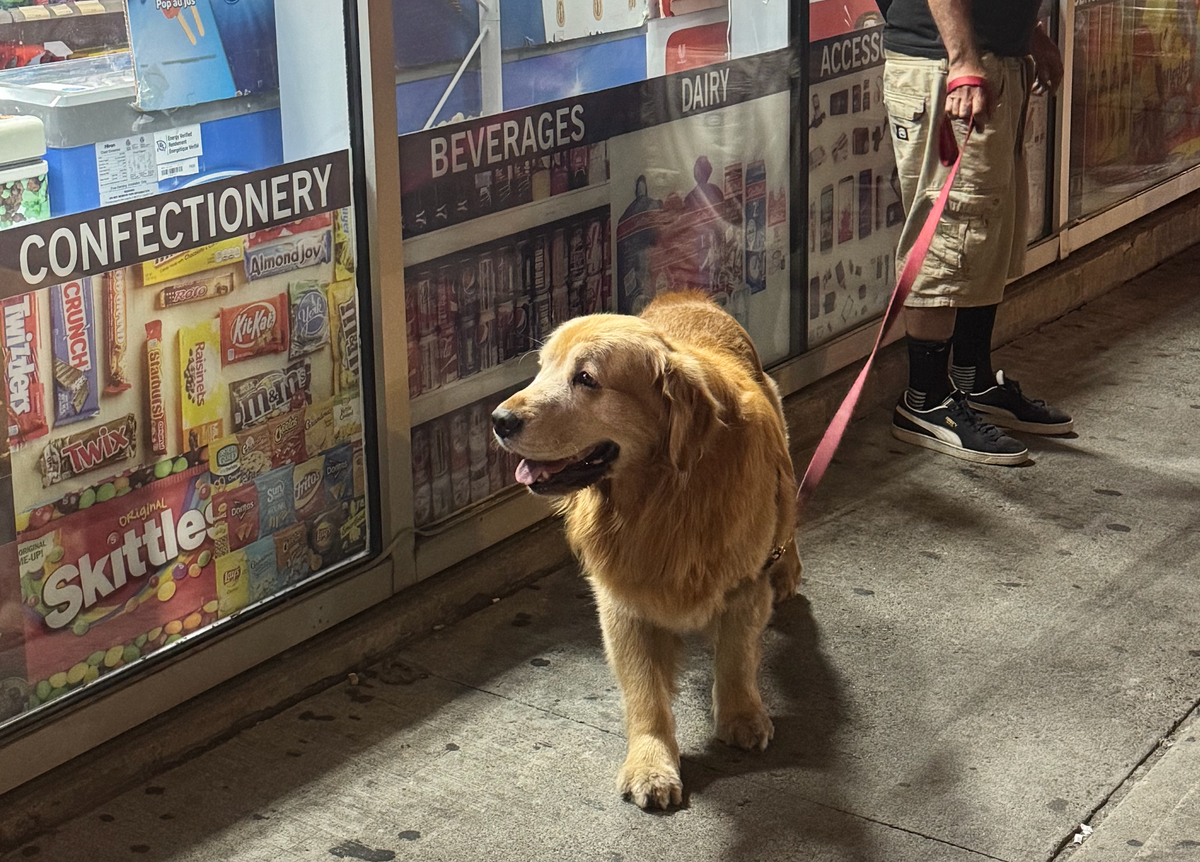
 David Farrier
 David Farrier